Vietnam Itinerary 21 Days: The Ultimate Three-Week Adventure
A 21-day Vietnam itinerary gives you something that shorter trips cannot: time. Instead of rushing from one airport to another, three weeks allows you to experience Vietnam at a much more comfortable pace, combining major cities, dramatic landscapes, historic towns, beaches, countryside and regional food. A north-to-south route works particularly well because you can begin in Hanoi, explore Northern Vietnam, continue through Central Vietnam and finish in Ho Chi Minh City and the Mekong Delta. Vietnam’s official travel resources use similar multi-region structures for longer journeys, including 15-day itineraries that combine Hanoi, Sapa, Ha Long Bay, Hoi An, Hue, Ho Chi Minh City and the Mekong Delta.
Vietnam 21-Day Itinerary at a Glance
Day 1: Arrive in Hanoi
Day 2: Hanoi Old Quarter & Historic Sites
Day 3: Hanoi Food & Cultural Experience
Day 4: Hanoi Countryside by Bicycle or Vespa
Day 5: Hanoi → Ha Long Bay
Day 6: Ha Long Bay → Hanoi → Fly to Da Nang
Day 7: Hoi An Ancient Town
Day 8: Hoi An Countryside & Food
Day 9: Hoi An Beach & Relaxation
Day 10: Hoi An → Hue via Hai Van Pass
Day 11: Hue Imperial City
Day 12: Hue Royal Tombs & Culture
Day 13: Hue → Da Nang → Nha Trang
Day 14: Nha Trang Beach & Islands
Day 15: Nha Trang → Ho Chi Minh City
Day 16: Ho Chi Minh City Highlights
Day 17: Cu Chi Tunnels & City Exploration
Day 18: Mekong Delta
Day 19: Mekong Delta → Ho Chi Minh City
Day 20: Ho Chi Minh City Food & Shopping
Day 21: Ho Chi Minh City & Departure
This version is deliberately more relaxed than a 7- or 10-day itinerary. It gives you several two- and three-night stays, which means less packing and more time actually experiencing each place.
Day 1: Arrive in Hanoi
Begin your three-week Vietnam adventure in Hanoi, the country’s historic capital. After arriving at Noi Bai International Airport, transfer to your hotel around Hoan Kiem, the Old Quarter or the French Quarter. Keep the first afternoon easy. Walk around Hoan Kiem Lake, explore a few Old Quarter streets and stop for Vietnamese coffee. In the evening, have your first Vietnamese dinner and try dishes such as phở, bún chả, bánh mì or egg coffee. Your first day should be about adjusting to the time difference and getting your first impression of Hanoi rather than trying to see every attraction.
Day 2: Discover Historic Hanoi
Spend your second day exploring Hanoi’s historic heart. Visit the Ho Chi Minh Complex, One Pillar Pagoda and Temple of Literature before continuing toward the Old Quarter. The Old Quarter is best explored slowly, with time for small shops, cafés, food stalls and photographs. In the afternoon, visit Hoan Kiem Lake and Ngoc Son Temple, then take a break at a traditional Vietnamese coffee shop. In the evening, enjoy a street-food dinner and experience Hanoi after dark. Hanoi’s combination of historic monuments, narrow streets, food culture and everyday urban life makes it an ideal starting point for a first Vietnam trip.
Day 3: Hanoi Food and Cultural Experience
Use your third day to focus on food and culture rather than adding more landmarks. Join a guided food tour, private culinary experience or Hanoi Vespa experience that combines sightseeing with Vietnamese dishes. This can be an excellent way to understand the city because you see several neighborhoods while learning how the food fits into everyday life. Try bún chả, bánh cuốn, chả cá, phở and traditional desserts. Leave part of the afternoon free for shopping, coffee or a relaxing walk. A three-week itinerary gives you exactly this kind of flexibility—you do not need to turn every day into a checklist.
Day 4: Hanoi Countryside by Bicycle or Vespa
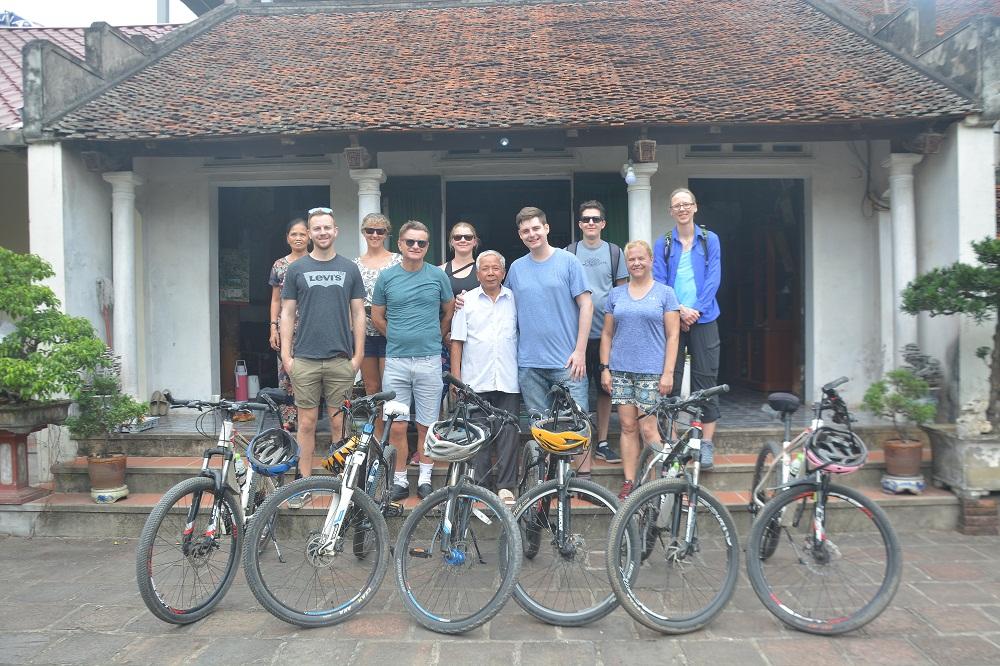
Spend day four exploring beyond the busiest central streets. A guided bicycle experience can take you across Long Bien Bridge, through quieter neighborhoods, along riverside areas and into Hanoi’s surrounding countryside. Travelers who prefer not to cycle can choose a Vespa or motorbike experience instead. This is also a good day for visiting places such as West Lake, Tran Quoc Pagoda, Huu Tiep Lake or smaller residential areas. Bike Tours Hanoi currently offers bicycle and other two-wheel experiences around Hanoi designed to combine major landmarks with less-visited streets and countryside. (biketourshanoi.com) Spend the evening back in the Old Quarter and enjoy one final dinner before leaving Hanoi.
Day 5: Hanoi to Ha Long Bay
Leave Hanoi in the morning and travel to Ha Long Bay. With three weeks available, you can choose a quality overnight cruise rather than rushing through a day trip. Spend the afternoon among the limestone islands, enjoying kayaking, cave visits, swimming or simply relaxing on deck. A good cruise should balance activities with downtime. In the evening, enjoy dinner aboard the boat and watch the landscape change as the sun goes down. Sleeping on the bay gives you a very different experience from staying in Hanoi and visiting only for a few hours.
Day 6: Ha Long Bay to Central Vietnam
Wake early for sunrise over the bay if your cruise offers the opportunity. After breakfast and the final cruise activities, disembark and transfer toward Hanoi before flying to Da Nang. From Da Nang, continue to Hoi An by private car. This transfer should be planned carefully because cruise schedules, road traffic and airport check-in can all affect timing. Once you arrive in Hoi An, check into your hotel and keep the evening relaxed. Walk through the Ancient Town after sunset, see the lantern-lit streets and have dinner beside the Thu Bon River.
Day 7: Hoi An Ancient Town
Spend a full day in Hoi An, one of Vietnam’s most atmospheric destinations. Visit the Japanese Covered Bridge, historic merchant houses, assembly halls and Hoi An Market, but do not rush through them. Hoi An is best enjoyed on foot, with time for cafés, shopping and photography. Try local specialties such as cao lầu, mì Quảng, white rose dumplings and bánh xèo. In the evening, return to the riverside and explore the town after dark. This is a day when slowing down will make the destination more enjoyable.
Day 8: Hoi An Countryside and Food
Leave the Ancient Town for a day and discover the countryside around Hoi An. A bicycle tour can take you through rice fields, vegetable gardens, waterways and small villages, while a private car gives you more flexibility for longer stops. Consider adding a cooking class so you can learn about Central Vietnamese ingredients and prepare several traditional dishes. In the afternoon, return to the hotel for some relaxation. With three weeks available, there is no reason to fill every hour. Enjoy a quiet dinner and another walk through Hoi An.
Day 9: Hoi An Beach and Relaxation
Day nine is intentionally slow. Spend the morning at An Bang Beach or relax at your hotel. Alternatively, cycle through the countryside, shop for tailor-made clothing or revisit your favorite parts of the Ancient Town. This is also a good day for couples and families to enjoy a private activity without pressure to cover another destination. In the evening, have a final Hoi An dinner and prepare for your journey to Hue the following morning.
Day 10: Hoi An to Hue via Hai Van Pass
Travel from Hoi An to Hue by private car and make the journey part of the experience. The Hai Van Pass offers impressive mountain and coastal views, and the route can include stops around Lang Co Lagoon and scenic viewpoints. Arrive in Hue in the afternoon and check into a centrally located hotel. Spend the rest of the day around the Perfume River or simply relax. Hue’s atmosphere is calmer and more historic than Hanoi or Ho Chi Minh City, making it an ideal place to slow down.
Day 11: Hue Imperial City
Spend a full day exploring the historic heart of Hue. Visit the Imperial Citadel, which was the political and ceremonial center of the Nguyen Dynasty, then continue to Thien Mu Pagoda. Allow enough time to appreciate the architecture rather than rushing through each site. In the evening, explore Hue’s food culture and try bún bò Huế, bánh bèo, bánh nậm, bánh lọc or cơm hến. Hue is one of the best destinations in Vietnam for travelers who enjoy history, architecture and distinctive cuisine.
Day 12: Hue Royal Tombs and Culture
Use your second full day in Hue to explore the royal tombs and surrounding countryside. Choose one or two tombs rather than attempting every site. The Khai Dinh and Tu Duc tombs offer very different architectural styles and are both worthwhile. You can also combine your sightseeing with a traditional craft or cultural experience. Keep the afternoon flexible and spend your final evening beside the Perfume River. A two-night stay gives you much more breathing room than trying to see Hue as a rushed day trip.
Day 13: Hue to Nha Trang
Fly south from Hue to Nha Trang, Vietnam’s well-known coastal destination. After checking into a hotel, spend the afternoon around the beach or hotel pool. Nha Trang works particularly well in a 21-day itinerary because you now have enough time to introduce a completely different environment: warm coastal scenery, seafood and island activities. In the evening, enjoy dinner overlooking the sea and take a relaxed walk along the waterfront.
Day 14: Nha Trang Beach and Islands
Spend your fourteenth day enjoying Nha Trang without a demanding schedule. You can take a boat trip to nearby islands, swim, snorkel or simply spend the day at the beach. If you prefer a wellness-focused day, choose a resort spa or mud-bath experience. Have fresh seafood for lunch and dinner. The purpose of these beach days is not to accumulate more attractions but to give your itinerary a different rhythm after the historical sightseeing of Northern and Central Vietnam.
Day 15: Nha Trang to Ho Chi Minh City
Take a domestic flight to Ho Chi Minh City and settle into a hotel in District 1 or District 3. Spend your first afternoon in the city visiting Nguyen Hue Walking Street, the Saigon River and nearby historic buildings. Ho Chi Minh City feels dramatically different from Hanoi. The streets are faster, the architecture is more modern in many areas and the café culture is everywhere. Enjoy a relaxed dinner and save the major sightseeing for the next day.
Day 16: Discover Ho Chi Minh City
Spend your first full day exploring the city’s major historic and cultural attractions. Visit Reunification Palace, War Remnants Museum, Central Post Office, the Opera House and Ben Thanh Market. You do not have to visit every museum. Pick the attractions that genuinely interest you and spend the remaining time exploring the surrounding streets. In the afternoon, stop for Vietnamese coffee and simply watch the city move around you. In the evening, consider a private food or motorbike experience to discover Ho Chi Minh City after dark.
Day 17: Cu Chi Tunnels and More of Ho Chi Minh City
Take a morning trip to the Cu Chi Tunnels and return to Ho Chi Minh City after lunch. Spend the afternoon exploring areas that offer a different perspective of the city, such as Cholon and Binh Tay Market or the café and restaurant scene around Thao Dien. You can also use this afternoon for shopping or relaxing at your hotel. Because the itinerary is three weeks long, you can afford to make some afternoons intentionally easy.
Day 18: Ho Chi Minh City to the Mekong Delta
Leave Ho Chi Minh City for the Mekong Delta and spend more than a few hours experiencing the waterways and countryside. A private itinerary can include boat travel, fruit gardens, village roads, markets and agricultural areas. Instead of trying to see every attraction, focus on the river environment and the slower rhythm of life. For a more immersive experience, stay overnight in the Delta. Ben Tre, Can Tho and other areas can be considered depending on the style of trip you want.
Day 19: Explore the Mekong Delta and Return
Continue exploring the Delta in the morning. You can visit a market, take another boat journey, cycle through the countryside or enjoy a relaxed Vietnamese lunch. Then return to Ho Chi Minh City in the afternoon. Check back into your hotel and spend the evening at your own pace. After nearly three weeks of travel, this return to a familiar hotel gives you a comfortable final base before departure.
Day 20: Ho Chi Minh City Food, Shopping and Free Time
Keep your twentieth day almost completely flexible. Revisit your favorite neighborhood, enjoy Vietnamese coffee, shop for souvenirs or take a final food experience. You may discover that your favorite part of the trip is not a major monument but a particular restaurant, café or market. Use this day to do the things you did not have time for earlier. In the evening, have a final Vietnamese dinner and prepare your luggage for departure.
Day 21: Ho Chi Minh City and Departure
Have a relaxed breakfast and keep your final morning simple. Depending on your international flight time, you can take one final walk, buy souvenirs or enjoy coffee before transferring to Tan Son Nhat International Airport. Avoid booking a complicated tour on departure day. Give yourself plenty of time for traffic, luggage and airport procedures. Your three-week Vietnam adventure ends in Ho Chi Minh City after a journey that has taken you through cities, mountains, coastlines, heritage sites, countryside and river landscapes.
Why a 21-Day Vietnam Itinerary Is Better Than a Shorter Trip
Three weeks gives you a major advantage: you can slow down. Instead of spending one night in almost every destination, you can stay three or four nights in places such as Hanoi, Hoi An and Ho Chi Minh City. You can also include a beach destination such as Nha Trang without sacrificing the country’s major historical regions. Vietnam’s official travel material similarly uses longer itineraries to combine northern mountains, Ha Long Bay, Hoi An, Hue, Ho Chi Minh City and the Mekong Delta.
Should You Add Sapa or Ha Giang?
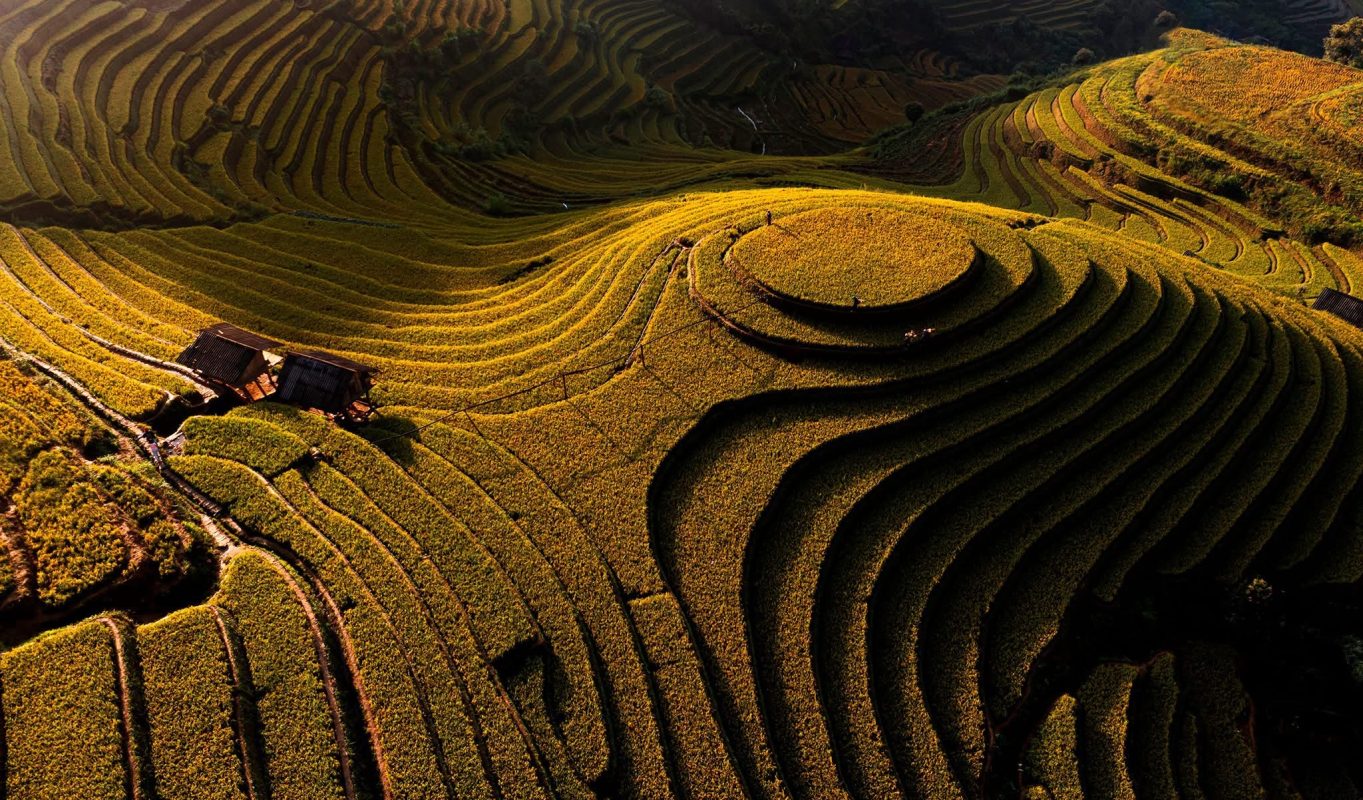
Yes, but only if mountains are a priority. Replace Nha Trang with Sapa or Ha Giang if you prefer trekking, mountain passes, rice terraces and highland scenery. A 21-day trip gives you enough space to make that change without making the itinerary impossible. The official tourism site also highlights Ha Giang as an adventure destination with dramatic mountain passes and rural overnight experiences.
Should You Add Phong Nha?
Phong Nha is an excellent addition for travelers who love caves and adventure. You could replace two beach days with Phong Nha, then travel south to Ho Chi Minh City. This creates a more active itinerary with cave exploration, rivers and national-park scenery. The official tourism site identifies Phong Nha as a major destination for cave and outdoor experiences.
Should You Visit Ninh Binh?
Ninh Binh can fit into a three-week itinerary, particularly from Hanoi, but you do not need to add every famous destination simply because you have more time. A strong alternative is to choose either Ninh Binh or extra time in Hanoi depending on whether you prefer dramatic countryside scenery or deeper city exploration.
Best Transportation for a 21-Day Trip
A three-week itinerary works best with a mix of transportation. Use domestic flights for long distances such as Hue to Nha Trang or Nha Trang to Ho Chi Minh City, private cars for scenic regional journeys such as Hoi An to Hue, bicycles for countryside exploration, Vespa or motorbike experiences for city sightseeing and cruises for Ha Long Bay. Vietnam’s official tourism guidance emphasizes domestic flights as a useful way to cover long distances while buses, trains and other transport options serve different travel styles.
Where Should You Stay?
In Hanoi, stay around Hoan Kiem, the Old Quarter or French Quarter. In Ha Long Bay, stay aboard a quality overnight cruise. In Hoi An, choose the Ancient Town, riverside or a resort between the town and beach. In Hue, stay around central Hue or the Perfume River. In Nha Trang, choose beachfront accommodation if the sea is a priority. In Ho Chi Minh City, District 1 or District 3 is convenient. In the Mekong Delta, consider a riverside or countryside property for a more memorable experience.
How Many Nights Should You Spend in Each Destination?
A balanced 21-day structure is Hanoi 4 nights, Ha Long Bay 1 night, Hoi An 3 nights, Hue 3 nights, Nha Trang 2 nights, Ho Chi Minh City 5 nights and Mekong Delta 2 nights. This sounds like a lot, but the three-week duration means you are not constantly rushing from check-in to check-out. It also gives you flexibility to convert the route into a mountain-focused or adventure-focused trip if your interests change.
What Should You Eat During Three Weeks in Vietnam?
Use the length of your itinerary to explore regional cuisine rather than eating the same dishes everywhere. In Hanoi, try phở, bún chả, bánh cuốn and chả cá. In Hoi An, look for cao lầu, mì Quảng and white rose dumplings. In Hue, try bún bò Huế and royal-style Central Vietnamese dishes. In Nha Trang, focus on fresh seafood and coastal cuisine. In Ho Chi Minh City, explore cơm tấm, hủ tiếu, bánh xèo and Southern-style dishes. Vietnamese food changes noticeably from region to region, making the journey itself a culinary experience.
What Should You Pack for 21 Days?
Pack for versatility rather than bringing 21 separate outfits. Comfortable walking shoes, lightweight clothing, a light jacket, rain protection, swimwear, sunscreen, a hat, insect repellent, a small day bag, power bank, universal adapter and travel documents are useful basics. Use hotel laundry services during the trip rather than carrying excessive luggage. If you add Sapa or Ha Giang, bring warmer layers.
Common Mistakes on a Three-Week Vietnam Trip
The biggest mistake is assuming that 21 days means you should add every destination you can find. Three weeks gives you the opportunity to slow down, not an obligation to travel faster. Avoid changing hotels every night, booking extremely tight flight connections, ignoring regional weather, staying far from the places you want to visit and spending the entire trip inside organized tours. Also leave some completely free days or half-days. A long trip becomes much more enjoyable when you can spontaneously return to a restaurant you liked, spend longer at a café or simply rest.
21-Day Vietnam Itinerary for Couples
Couples can make this trip more luxurious by reducing hotel changes and choosing private experiences. Spend more time in Hanoi, Ha Long Bay and Hoi An, choose a beachfront resort in Nha Trang and finish with several comfortable nights in Ho Chi Minh City. Private transportation, private guides, carefully selected hotels and flexible dining experiences can turn the same route into a much more relaxed holiday.
21-Day Vietnam Itinerary for Families
Families should simplify the itinerary slightly. A good family version is Hanoi 4 nights, Ha Long Bay 1 night, Hoi An 4 nights, Hue 2 nights, Ho Chi Minh City 5 nights and Mekong Delta 2 nights. This reduces packing, gives children time to rest and creates a better balance between sightseeing and free time. Hoi An is especially useful as a family base because you can combine the Ancient Town, countryside, food and beach without constantly changing hotels.
21-Day Vietnam Itinerary for Active Travelers
Active travelers can replace Nha Trang with Sapa, Ha Giang or Phong Nha, or build a route combining several adventure destinations. Vietnam’s official adventure itinerary highlights Ha Giang, Phong Nha, Da Lat and Mui Ne for travelers interested in mountain roads, caves, canyoning and outdoor activities.
21-Day Vietnam Itinerary for Food Lovers
Food lovers should spend more time in Hanoi, Hoi An, Hue and Ho Chi Minh City rather than adding excessive sightseeing. Schedule private food tours, market visits, cooking classes and evening street-food experiences. Three weeks gives you enough time to explore Vietnamese cuisine region by region rather than simply sampling the same famous dishes.
Vietnam Itinerary 21 Days: Quick Summary
| Day | Destination | Main Experience |
|---|---|---|
| 1 | Hanoi | Arrival and Old Quarter |
| 2 | Hanoi | Historic Hanoi |
| 3 | Hanoi | Food and culture |
| 4 | Hanoi | Bicycle/Vespa and countryside |
| 5 | Ha Long Bay | Overnight cruise |
| 6 | Hoi An | Transfer and Ancient Town |
| 7 | Hoi An | Heritage and food |
| 8 | Hoi An | Countryside and cooking |
| 9 | Hoi An | Beach and relaxation |
| 10 | Hue | Hai Van Pass |
| 11 | Hue | Imperial City |
| 12 | Hue | Royal tombs and culture |
| 13 | Nha Trang | Flight and beach |
| 14 | Nha Trang | Islands and relaxation |
| 15 | Ho Chi Minh City | Arrival and city |
| 16 | Ho Chi Minh City | Major attractions |
| 17 | Ho Chi Minh City | Cu Chi Tunnels |
| 18 | Mekong Delta | River and countryside |
| 19 | Mekong Delta | Exploration and return |
| 20 | Ho Chi Minh City | Food, shopping and free time |
| 21 | Ho Chi Minh City | Departure |
Final Thoughts
A 21-day Vietnam itinerary is long enough to move beyond the usual highlights and experience the country as a collection of distinct regions rather than one single destination. You can begin with Hanoi’s historic streets, spend a night among the limestone islands of Ha Long Bay, slow down in Hoi An, explore Hue’s imperial heritage, relax on the coast of Nha Trang and finish among the busy streets and waterways of Southern Vietnam.
The biggest advantage of three weeks is flexibility. You can add Sapa, Ha Giang, Phong Nha or another beach destination without having to turn every day into a race. You can also spend more time with food, photography, cycling, Vespa experiences, cultural activities and simply enjoying your hotels.
Do not use 21 days to see everything. Use 21 days to experience Vietnam properly.
Plan Your Vietnam Journey With Vietnam Women Travel
For international travelers looking for a more comfortable and personal three-week experience, Vietnam Women Travel – Premium Private Tours Led by Women can create private itineraries around your preferred pace, destinations and travel style. The route can be adjusted for couples, families or private groups, with women guides, private transportation, carefully selected accommodation and experiences built around food, culture, history, nature and everyday Vietnamese life.
A three-week private journey can include Hanoi, Ha Long Bay, Hoi An, Hue, Nha Trang, Ho Chi Minh City and the Mekong Delta, with additional destinations such as Sapa, Ha Giang or Phong Nha added when appropriate. The focus is not on filling every day but on creating a comfortable journey in which private tours led by women are part of the experience.
Contact Vietnam Women Travel – Premium Private Tours Led by Women
VIETNAM WOMEN TRAVEL – PREMIUM PRIVATE TOURS LED BY WOMEN
Address: 91 Tho Nhuom Street, Hoan Kiem District, Hanoi, Vietnam
Phone / WhatsApp / iMessage 24/7: +84 988 402 008
Email: info@vietnamwomentravel.com
Website: vietnamwomentravel.com
Private Tours Led by Women – Premium Vietnam Experiences for International Travelers
Three weeks gives you enough time to stop rushing, travel comfortably and discover the different sides of Vietnam at your own pace.
