Vietnam Travel Guide: Complete Guide to Planning Your Trip to Vietnam
Vietnam is one of Southeast Asia’s most rewarding destinations, combining historic cities, spectacular coastlines, dramatic mountain landscapes, world-famous cuisine, vibrant markets, and a rich cultural heritage. From the elegant streets and historic neighborhoods of Hanoi in the north to the ancient architecture of Hoi An and Hue in central Vietnam and the tropical atmosphere of Ho Chi Minh City and the Mekong Delta in the south, Vietnam offers remarkably different experiences within one country. This Vietnam Travel Guide provides practical information to help first-time and returning travelers plan a comfortable, enjoyable, and well-organized trip, including where to go, when to visit, how to travel between destinations, what to eat, how much to budget, what to pack, and how to make the most of your time in Vietnam.
Vietnam at a Glance
Vietnam is a long, narrow country stretching from north to south, so weather, landscapes, culture, and travel experiences can change considerably between regions. Hanoi is the traditional gateway to Northern Vietnam and is an excellent starting point for travelers interested in history, food, culture, and day trips into the countryside. Central Vietnam is known for destinations such as Hue, Hoi An, Da Nang, and the spectacular landscapes of Phong Nha. Southern Vietnam offers a more tropical atmosphere, with Ho Chi Minh City, the Mekong Delta, and the beaches of Phu Quoc providing very different experiences. Because the country is geographically elongated, travelers should avoid trying to see everything in a short holiday. A well-planned route covering fewer destinations usually provides a better experience than constantly moving between cities.
Best Places to Visit in Vietnam
Hanoi
Hanoi is one of the best places to begin a Vietnam trip. The capital combines centuries of history with energetic modern life, traditional architecture, lakes, temples, cafés, markets, and an exceptional street-food culture. The Old Quarter is particularly interesting for first-time visitors because its narrow streets are filled with restaurants, small shops, historic buildings, coffee houses, and everyday city life. Important attractions include Hoan Kiem Lake, the Temple of Literature, Ho Chi Minh Mausoleum complex, the Imperial Citadel of Thang Long, Hanoi Train Street area, West Lake, and the French Quarter. Hanoi is also an excellent base for exploring Northern Vietnam, making it easy to combine the capital with mountain, bay, and countryside experiences.
Ha Long Bay and Lan Ha Bay
Ha Long Bay is famous for its limestone karsts rising dramatically from emerald-colored water and is one of Vietnam’s most recognizable natural landscapes. A cruise is the classic way to experience the area, with options ranging from day cruises to overnight luxury vessels. Travelers who prefer a quieter atmosphere may also consider Lan Ha Bay, which offers similarly impressive limestone scenery and a more relaxed cruising environment. Depending on the cruise, activities may include kayaking, swimming, visiting caves, cooking demonstrations, and sunrise or sunset viewing. Weather conditions can influence cruise schedules, so travelers should keep some flexibility in their itinerary.
Ha Giang
For travelers looking for dramatic mountain scenery and a more adventurous side of Vietnam, Ha Giang is one of the country’s most spectacular destinations. The region is known for winding mountain roads, deep valleys, limestone peaks, rice terraces, and villages inhabited by different ethnic communities. The Ha Giang Loop is particularly popular with travelers who want to experience Northern Vietnam by road. The journey can be physically demanding, especially on longer routes, so visitors should choose transportation and accommodation according to their comfort level. Hiring an experienced local driver is a practical option for travelers who do not have suitable riding experience.
Sapa
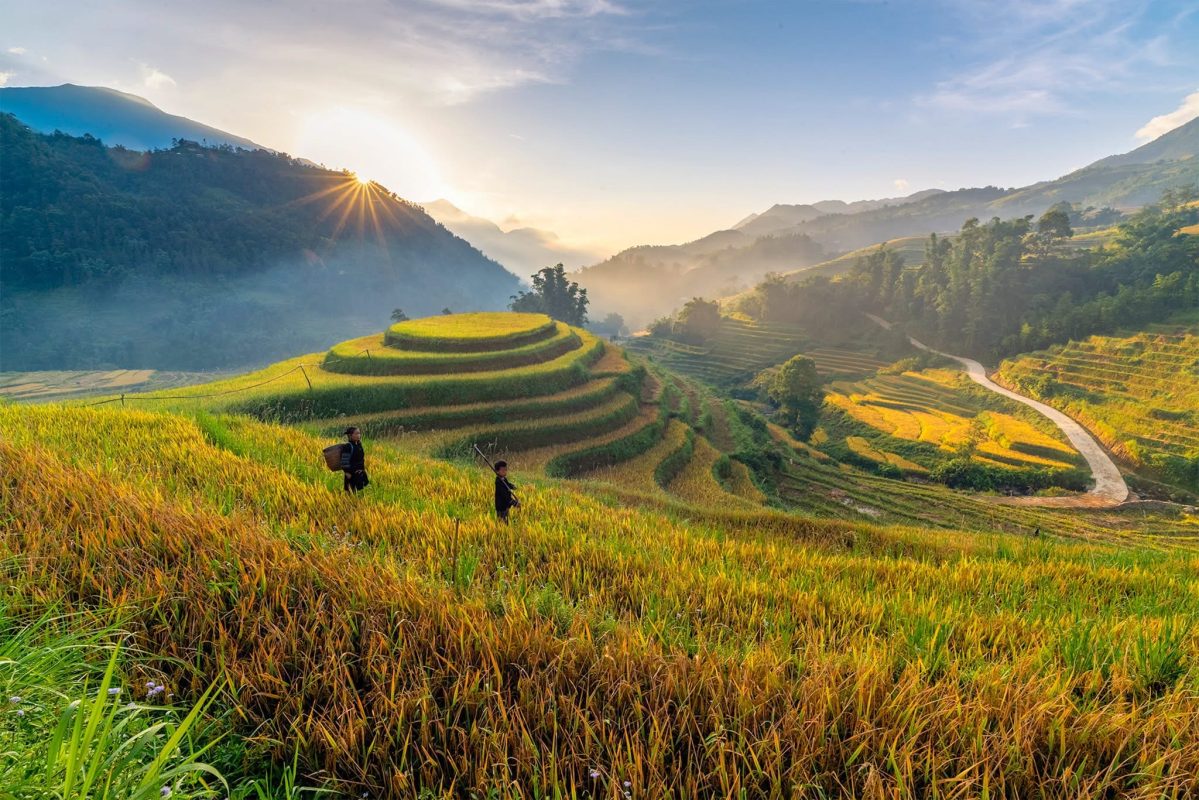
Sapa is surrounded by mountains and terraced rice fields and has long been associated with trekking and Northern Vietnam’s highland culture. Travelers can explore the town, visit nearby villages, hike through rice terraces, and enjoy mountain views around the Hoang Lien Son range. The best experience depends heavily on the season because rice terraces look different throughout the agricultural cycle. The area can also be considerably cooler than Hanoi, particularly during winter, so travelers should bring appropriate clothing.
Hue
Hue was the imperial capital of Vietnam during the Nguyen Dynasty and is one of the country’s most important destinations for history and architecture. The Imperial City, royal tombs, pagodas, and Perfume River provide an insight into Vietnam’s royal past. Hue is particularly suitable for travelers who enjoy history, architecture, photography, and traditional cuisine. Allow at least one full day to explore the main attractions, although two days allows a more relaxed experience.
Da Nang
Da Nang is a modern coastal city with excellent beaches, convenient transportation connections, restaurants, cafés, and access to several major attractions in Central Vietnam. My Khe Beach is popular with visitors looking for an easy beach stay, while the Marble Mountains offer a combination of caves, temples, viewpoints, and cultural sites. Da Nang is also a practical base for exploring Hoi An, Hue, and the surrounding central coast.
Hoi An
Hoi An is famous for its beautifully preserved historic architecture, lantern-lit streets, riverside atmosphere, tailor shops, cafés, and distinctive food culture. The Ancient Town is best explored on foot, particularly in the late afternoon and evening when temperatures become more comfortable. Visitors can combine the historic center with bicycle rides through the countryside, cooking experiences, beach time, or excursions to nearby cultural attractions. Hoi An is one of the best destinations in Vietnam for travelers who want a slower pace after visiting larger cities.
Ho Chi Minh City
Ho Chi Minh City is Vietnam’s largest economic center and offers an energetic contrast to Hanoi. The city combines historic landmarks, modern shopping districts, rooftop bars, museums, cafés, restaurants, and one of the country’s most exciting street-food scenes. Major attractions include the War Remnants Museum, Independence Palace, Central Post Office, Notre Dame Cathedral area, Ben Thanh Market, and Chinatown in District 5. The city is busy and fast-moving, making it ideal for travelers who enjoy urban exploration, food, shopping, and nightlife.
Mekong Delta
The Mekong Delta offers a completely different perspective on southern Vietnam. The region is characterized by rivers, canals, orchards, agricultural communities, floating markets, and small waterways. Travelers can visit the delta on a day trip from Ho Chi Minh City or spend several nights in the region for a slower experience. For a more meaningful visit, choose activities that focus on waterways, agriculture, food, and everyday life rather than simply visiting a series of tourist stops.
Phu Quoc
Phu Quoc is one of Vietnam’s best-known island destinations and is suitable for travelers who want to finish their trip with beaches and relaxation. The island offers resorts, beaches, seafood restaurants, boat excursions, snorkeling, and opportunities to explore quieter coastal areas. The best time for a beach holiday depends on seasonal weather conditions, so travelers should check conditions for their specific travel dates before booking a long island stay.
Northern, Central, and Southern Vietnam: Which Region Should You Choose?
Northern Vietnam is ideal for travelers interested in Hanoi, mountain landscapes, cultural experiences, cooler seasonal weather, and dramatic scenery. Central Vietnam is particularly attractive for travelers who want history, beaches, architecture, and a combination of city and cultural experiences. Southern Vietnam is warmer and more tropical, with Ho Chi Minh City, the Mekong Delta, and island destinations offering a different pace and atmosphere. If you have approximately one week, it is usually better to concentrate on one or two regions. With 10–14 days, you can comfortably combine Hanoi with Central Vietnam and possibly Ho Chi Minh City. Travelers with two or three weeks can create a more comprehensive north-to-south itinerary without making every day a transfer day.
Best Time to Visit Vietnam
There is no single best month for the entire country because Vietnam has several different climate zones. Northern Vietnam generally has cooler winters and hot, humid summers. Central Vietnam has its own rainfall patterns, and parts of the central coast can experience heavier rain and storms during the latter part of the year. Southern Vietnam is generally tropical, with a distinct rainy season and dry season. The best travel period therefore depends on where you plan to go rather than simply choosing a month based on the national climate.
For a multi-region trip, spring and autumn can be attractive periods because they may offer a useful balance between temperatures and rainfall in different parts of the country. However, weather can vary from year to year. Travelers planning mountain trips, cruises, beach holidays, or outdoor activities should always check the forecast shortly before departure.
How Long Should You Spend in Vietnam?
A 5–7 day Vietnam vacation works best when focused on one region. A Hanoi-based trip can combine the capital with a Northern Vietnam excursion and a bay cruise. A 10-day trip allows travelers to connect Hanoi with Central Vietnam or combine Hanoi, Hoi An, and Ho Chi Minh City with carefully planned flights. Two weeks is a good length for a first Vietnam trip because it provides enough time to experience northern, central, and southern destinations without spending the entire holiday in transit. Three weeks or longer allows travelers to slow down, add mountain or island destinations, and spend more time experiencing individual regions.
Suggested Vietnam Travel Itinerary
7 Days in Vietnam
For a first visit, consider spending several days in Hanoi, followed by a Northern Vietnam nature experience and a bay cruise. This route provides a combination of history, food, culture, scenery, and relaxation without requiring too many long transfers.
10 Days in Vietnam
A 10-day itinerary can combine Hanoi with Central Vietnam. Spend time exploring Hanoi before flying to Da Nang, then visit Hoi An and Hue before continuing to your international departure point. This route works particularly well for travelers interested in culture, food, architecture, and beaches.
14 Days in Vietnam
Two weeks allows a broader experience. Start in Hanoi, explore Northern Vietnam, continue by air to Central Vietnam for Hue, Da Nang, and Hoi An, and finish in Ho Chi Minh City with an optional Mekong Delta experience. Domestic flights are especially useful on this itinerary because Vietnam is geographically long and overland journeys between distant regions can take many hours.
21 Days in Vietnam
Three weeks allows a much slower north-to-south journey. You can combine Hanoi, Northern Vietnam, Central Vietnam, Ho Chi Minh City, the Mekong Delta, and a beach destination while leaving enough time for cultural experiences and rest. Instead of adding many destinations, use the additional days to stay longer in places that interest you.
Getting Around Vietnam
Domestic flights are the most efficient option for traveling between distant regions. Hanoi to Da Nang, Da Nang to Ho Chi Minh City, and other long-distance routes can save an entire day compared with overland travel. Trains can be useful for travelers who enjoy scenic journeys and have more time, while sleeper buses are generally a budget-friendly option for certain routes. Within cities, taxis, ride-hailing services, walking, bicycles, and private transportation are common options. In Hanoi and Ho Chi Minh City, traffic can be intense, so allow extra time when traveling to airports, restaurants, and scheduled activities.
For sightseeing, private transportation can be particularly convenient for families, couples, older travelers, and travelers carrying luggage. It also makes it easier to customize departure times and combine multiple attractions in one day.
Vietnam Travel Costs and Budget
Vietnam can accommodate a wide range of travel budgets. Budget travelers can stay in simple hotels or guesthouses, eat at casual restaurants and street-food stalls, and use public transportation. Mid-range travelers can choose comfortable three- or four-star hotels, private transfers, quality restaurants, and organized day tours. Luxury travelers can choose five-star hotels, private guides, premium cruises, private vehicles, high-end restaurants, spa treatments, and customized multi-day tours.
Food remains one of the most affordable parts of traveling in Vietnam, while accommodation and private services vary significantly according to destination and quality. Major tourist destinations and luxury resorts generally cost more than smaller cities. Rather than planning only around the lowest possible price, consider the value of reliable transportation, professional guides, good accommodation, and well-organized experiences.
Vietnamese Food You Should Try
Food is one of the strongest reasons to visit Vietnam. Pho is perhaps the country’s best-known dish, consisting of rice noodles served with fragrant broth, herbs, and meat. Bun cha is strongly associated with Hanoi and combines grilled pork, noodles, herbs, and dipping sauce. Banh mi is a convenient Vietnamese sandwich with a wide variety of fillings and regional variations. Cao lau is a specialty of Hoi An, while bun bo Hue is a spicy noodle soup associated with Hue. Com tam, or broken rice, is particularly popular in Southern Vietnam. Fresh spring rolls, Vietnamese pancakes, grilled seafood, Vietnamese coffee, egg coffee, and a wide variety of tropical fruits are also worth trying.
Street food is an important part of Vietnamese culinary culture, but travelers should choose busy, clean establishments with good food turnover. If you have allergies or dietary restrictions, learn the Vietnamese names of ingredients that you need to avoid and communicate them clearly before ordering.
Vietnamese Coffee Culture
Vietnam has a distinctive coffee culture that is worth exploring during your trip. Traditional Vietnamese coffee is commonly brewed using a metal filter and served with condensed milk or enjoyed black. Egg coffee is strongly associated with Hanoi, while iced milk coffee is particularly popular throughout the country. Modern specialty coffee shops can also be found in major cities. Coffee breaks are more than simply a way to get caffeine; they are an important part of everyday social life in Vietnam.
What to Pack for Vietnam
Your packing list should reflect the season and regions you are visiting. Lightweight breathable clothing is useful in hot and humid areas, while Northern Vietnam can require warmer layers during cooler months. Comfortable walking shoes are essential because many attractions involve walking on uneven surfaces. A compact rain jacket or umbrella can be useful, particularly during wetter periods. Travelers visiting mountainous areas should bring additional layers and appropriate footwear. Sunscreen, sunglasses, insect repellent, a reusable water bottle, basic medication, and a universal travel adapter are practical additions.
For temple and religious sites, modest clothing that covers the shoulders and knees is recommended. A light jacket or long-sleeve shirt can also be useful for air-conditioned vehicles, restaurants, hotels, and flights.
Money and Payments in Vietnam
The Vietnamese dong is the national currency. Cash remains useful, particularly at small food stalls, markets, independent cafés, local shops, and businesses outside major tourist centers. Credit and debit cards are widely accepted at hotels, established restaurants, shopping centers, and many professional tourism businesses. It is still sensible to carry some cash for everyday purchases. Before exchanging money, compare the rate and fees rather than focusing only on the advertised exchange rate.
Is Vietnam Safe for Travelers?
Vietnam is generally considered a welcoming destination for international visitors, and millions of tourists travel through the country each year. The main concerns for visitors are usually traffic, petty theft, scams, heat, food-related illness, and changing weather rather than serious violent crime. Keep valuables secure in crowded areas, be careful when crossing busy streets, use reputable transportation, and take normal precautions with personal belongings.
Traffic requires particular attention. Motorbikes are an essential part of transportation in Vietnamese cities, and roads can appear chaotic to first-time visitors. When crossing a street, move at a steady pace, remain predictable, and avoid suddenly stopping in the middle of traffic.
Cultural Etiquette in Vietnam
Vietnamese culture places importance on politeness and respect. When visiting temples, pagodas, and other religious sites, dress appropriately and behave quietly. Remove shoes when required. Avoid touching religious objects or statues unless permitted. When entering someone’s home, follow the host’s instructions regarding footwear and seating. A friendly greeting, patience, and a willingness to learn a few Vietnamese words can make interactions much more enjoyable.
Useful Vietnamese Words for Travelers
Learning a few simple Vietnamese expressions can make everyday travel easier. “Xin chào” means hello, “cảm ơn” means thank you, “xin lỗi” means sorry or excuse me, “bao nhiêu?” means how much, and “không” means no or not. Pronunciation can be challenging because Vietnamese is a tonal language, so do not worry if your pronunciation is not perfect. A smile and polite attitude often communicate just as much as the words themselves.
Vietnam Travel Tips for First-Time Visitors
Do not try to visit every famous destination in one trip. Vietnam looks compact on a map, but journeys between regions can take considerable time. Book important transportation and accommodation in advance during busy travel periods. Keep your itinerary flexible enough to accommodate weather changes. Carry some cash even if you normally use cards. Download offline maps and keep important booking information accessible. Allow extra time for airport transfers because urban traffic can be unpredictable. Most importantly, leave space in your schedule for spontaneous experiences, because some of Vietnam’s most memorable moments happen while exploring a street, café, market, village, or neighborhood that was not originally on your itinerary.
Vietnam Travel for Couples, Families, and Friends
Vietnam works well for different types of travelers because experiences can easily be customized. Couples can combine boutique hotels, private sightseeing, food experiences, cruises, beaches, and romantic dinners. Families can choose private transportation, comfortable hotels, shorter sightseeing sessions, and activities suitable for different ages. Groups of friends can combine food tours, cultural experiences, outdoor activities, nightlife, and private excursions. Private tours are particularly useful when travelers have different interests or want greater flexibility with departure times and sightseeing.
Vietnam Travel for Women
Vietnam can be an excellent destination for women traveling independently, with a wide range of accommodation, transportation, food, cultural, and sightseeing options. Women travelers may appreciate private tours led by experienced female guides, particularly when they want a more personal and comfortable way to explore cities and cultural attractions. Comfortable clothing, secure accommodation, reliable transportation, and sensible precautions in crowded areas can help create a smoother experience. Travelers should also consider the pace of their itinerary, especially in hot and humid weather.
How to Choose the Right Vietnam Tour
When comparing Vietnam tours, look beyond the number of destinations included. Check whether transportation is private or shared, whether airport transfers are included, the quality and location of hotels, the experience of guides, meal arrangements, entrance fees, travel insurance, and the flexibility to adjust the itinerary. A well-designed itinerary should balance sightseeing with free time rather than filling every hour with scheduled activities. For premium travel, private transportation and knowledgeable guides can make a significant difference, especially when visiting multiple regions.
Why Choose a Private Vietnam Tour?
Private tours provide greater control over the pace, transportation, activities, and daily schedule. Instead of following a fixed group itinerary, travelers can spend more time at attractions they enjoy and reduce time at places that are less interesting to them. Private tours are particularly suitable for couples, families, friends, and travelers celebrating special occasions. They can also provide a more comfortable experience for travelers who prefer direct communication with their guide and personalized recommendations.
Vietnam Travel Guide for a Premium Experience
Travelers looking for a premium Vietnam vacation can combine high-quality hotels, private transportation, experienced guides, carefully selected restaurants, exclusive cultural experiences, and flexible sightseeing. A premium itinerary should not simply mean expensive hotels; it should make the entire journey smoother. Private airport transfers, carefully timed domestic flights, comfortable vehicles, knowledgeable guides, quality meals, and well-selected activities can reduce unnecessary stress and allow travelers to focus on enjoying Vietnam.
A Better Way to Experience Vietnam
The best Vietnam itinerary is not necessarily the one with the largest number of destinations. Vietnam rewards travelers who slow down enough to experience its food, people, landscapes, architecture, history, and everyday life. Spend time drinking coffee in Hanoi, explore the streets of Hoi An in the evening, discover the imperial heritage of Hue, enjoy Vietnamese cuisine with a knowledgeable guide, travel through spectacular mountain landscapes, or relax on the coast after a busy cultural journey. Combining major attractions with authentic experiences creates a more balanced and memorable trip.
Plan Your Vietnam Journey with Vietnam Women Travel
Vietnam Women Travel specializes in premium private tours led by women, designed for travelers who want a more personal, comfortable, and thoughtfully organized way to discover Vietnam. Rather than placing travelers into a fixed itinerary, the focus is on private experiences, carefully selected destinations, professional female guides, comfortable transportation, quality accommodation, Vietnamese cuisine, cultural experiences, and flexible schedules.
Whether you are planning your first trip to Vietnam, a private vacation for two, a family holiday, a friends’ getaway, or a customized luxury journey, a personalized itinerary can be designed around your travel dates, interests, preferred hotel standard, pace, and budget. From Hanoi and Northern Vietnam to Hue, Hoi An, Da Nang, Ho Chi Minh City, the Mekong Delta, and Vietnam’s coastal destinations, Vietnam Women Travel can help turn a general travel plan into a carefully organized private journey.
Vietnam Women Travel – Premium Private Tours Led by Women.