Mekong Delta Guide: Floating Markets, River Life, Ben Tre, Can Tho, Chau Doc, Food & Travel Tips
The Mekong Delta is one of the most distinctive regions in Vietnam, shaped by a vast network of rivers, canals, islands, orchards, rice fields and waterways. Life here has historically developed around the water, and the best way to understand the region is not simply by visiting one market or taking a short boat ride, but by spending time among the riverside towns, fruit gardens, agricultural areas and smaller waterways.
The Delta is particularly rewarding for travelers who enjoy slow travel, food, cycling, photography, river journeys, tropical landscapes and cultural experiences. The region also provides a completely different atmosphere from Hanoi, Ho Chi Minh City or the beaches of Central Vietnam. Instead of major monuments, the highlights are early-morning boat rides, tropical fruit orchards, narrow canals, riverside markets, traditional food and peaceful countryside.
For a first visit, 2–3 days is a good starting point. Travelers with more time should consider 4 days, especially if they want to combine Ben Tre, Can Tho, Cai Rang, Chau Doc and Tra Su rather than rushing through the region.
What Makes the Mekong Delta Special?
The Mekong Delta is a huge agricultural region in southern Vietnam where the Mekong River divides into numerous branches before reaching the sea. Waterways remain central to transportation, farming, fishing and trade.
This is why the Delta should be experienced slowly. A boat ride through a narrow canal can be more memorable than visiting several formal attractions in one morning.
The landscape changes from province to province. Ben Tre is strongly associated with coconut groves and narrow waterways; Cai Be and Vinh Long offer orchards and traditional agricultural landscapes; Can Tho is the best-known urban base and gateway to Cai Rang Floating Market; while Chau Doc offers a more culturally diverse borderland environment with Cham communities, temples and access to wetlands.
How Many Days Do You Need in the Mekong Delta?
1 day: Suitable for a short excursion from Ho Chi Minh City, especially Ben Tre or another nearby area.
2 days / 1 night: A much better option, allowing you to experience the countryside without spending the entire trip on the road.
3 days / 2 nights: Recommended for first-time travelers who want Ben Tre or Cai Be plus Can Tho and Cai Rang.
4 days / 3 nights: Excellent for a deeper journey including Can Tho, Cai Rang, countryside cycling, Chau Doc and Tra Su.
5 days or more: Best for travelers who prefer slow travel, boutique riverside accommodation, cycling, food experiences and smaller communities.
A premium private itinerary works particularly well with 3–4 nights.
Ben Tre: The Coconut Capital of the Delta
Ben Tre is one of the easiest places to experience the quieter side of the Mekong Delta.
The province is famous for its coconut groves, narrow canals and small waterways. It is close enough to Ho Chi Minh City for a day trip but much better experienced with an overnight stay.
A good Ben Tre experience combines:
Boat ride → coconut groves → small canals → fruit gardens → cycling → countryside lunch
The landscape is generally flat, green and peaceful.
What to Do in Ben Tre
Take a Sampan Through the Canals
A small sampan is one of the best ways to experience the narrower waterways.
The boat moves slowly beneath coconut palms while you pass gardens, small bridges and riverside homes.
Unlike a large tourist boat, a small rowing boat allows you to enter narrower channels and experience the landscape at a much more intimate pace.
Visit a Coconut Farm
Coconut cultivation is an important part of Ben Tre’s agricultural economy.
A farm visit can explain how coconuts are harvested and used for food, drinks, sweets, cooking products and other goods.
Ben Tre is particularly known for coconut candy, although a good tour should show more than a candy workshop.
Cycle Through the Countryside
Cycling is one of the best activities in Ben Tre.
The roads through the countryside are generally flat, and cycling allows you to move slowly through coconut plantations, fruit gardens and small villages.
It is also easier to stop for photographs than when traveling by car.
Explore the Fruit Orchards
The Delta produces enormous quantities of tropical fruit.
Depending on the season, you may encounter:
- Rambutan
- Mangosteen
- Pomelo
- Coconut
- Jackfruit
- Durian
- Longan
- Dragon fruit
Fruit availability changes throughout the year, so do not plan a trip around one specific fruit unless you have confirmed the harvest season.
Cai Be
Cai Be is a quieter alternative to the better-known Can Tho.
It is particularly interesting for travelers who want to experience orchards, small waterways and traditional houses without the larger urban environment.
Tan Phong Islet is one of the area’s highlights.
The islet contains fruit gardens and narrow paths that are suitable for cycling or exploring by sampan. The combination of waterways and orchards makes Cai Be particularly attractive for photographers.
Tan Phong Islet
Tan Phong is a good place to slow down.
Rather than filling the day with attractions, spend several hours cycling through narrow lanes, stopping at fruit gardens and taking a sampan through small canals.
This is the kind of experience that demonstrates why the Mekong Delta is better suited to slow travel than conventional sightseeing.
Vinh Long
Vinh Long sits in the center of several important waterways and is another useful base for exploring the Delta.
The surrounding area contains orchards, small islands, traditional houses and river communities.
Vinh Long can be incorporated into a route between Ho Chi Minh City, Cai Be and Can Tho.
For travelers with limited time, it is generally better to choose one or two areas and explore them properly rather than attempting to visit every province.
Can Tho: The Best Base for a First Mekong Delta Trip
Can Tho is the largest city in the Mekong Delta and one of the easiest bases for exploring the region.
The city sits along the Hau River and combines urban conveniences with immediate access to waterways and agricultural islands.
It is particularly famous for Cai Rang Floating Market, but there is much more to see.
Can Tho works especially well for travelers who want comfortable hotels, restaurants and transportation while still being able to access the countryside quickly.
Cai Rang Floating Market
Cai Rang Floating Market is the most famous attraction in Can Tho.
The market is a wholesale trading area where boats gather to sell fruit and agricultural products.
The most important tip is simple:
Wake up early.
The market is most active in the morning, and travelers should normally be on the water around sunrise rather than arriving late in the morning.
A private boat allows you to move at your own pace and spend more time observing the activity.
Large boats often display their products on tall poles so buyers can see what is being sold from a distance.
Smaller boats move between the larger vessels selling:
- Coffee
- Noodles
- Fruit
- Drinks
- Breakfast foods
A bowl of Hu Tieu served on the river is one of the most memorable breakfasts you can have in the Delta.
How Early Should You Visit Cai Rang?
For the best experience, plan to leave your hotel around 5:00–5:30 AM.
The exact timing depends on your accommodation and boat departure point.
Arriving early means you can experience the market while activity is still strong rather than seeing only scattered boats after the busiest period.
Do not schedule a late breakfast immediately before the excursion. Instead, have breakfast on the river or after returning to Can Tho.
Is Cai Rang Still Worth Visiting?
Yes, but expectations matter.
Cai Rang is a real trading environment rather than a perfectly preserved historical attraction. The number and type of boats can vary, and modern transportation has changed the market over time.
The experience is most worthwhile when combined with small canals, fruit gardens, traditional food and countryside activities rather than treated as the entire Mekong Delta experience.
Smaller Floating Markets
If you enjoy floating markets, ask your guide or accommodation about smaller markets around Can Tho.
These can provide a more intimate experience, especially for travelers interested in seeing individual traders and agricultural products at close range.
The major advantage is that you can spend more time observing rather than simply taking photographs from a crowded boat.
Can Tho’s Islets
The smaller islands and islets around Can Tho are excellent for cycling and walking.
You can pass:
- Fruit gardens
- Fish ponds
- Small canals
- Family homes
- Narrow bridges
- Rice fields
- Coconut trees
A guided cycling tour is particularly effective because your guide can explain what you are seeing rather than simply taking you from one attraction to another.
Binh Thuy Ancient House
Binh Thuy Ancient House is one of Can Tho’s most interesting architectural attractions.
The house dates from the late 19th century and combines French and Asian influences.
The interior provides a useful insight into the lifestyle of a prosperous southern Vietnamese family.
It is worth including for travelers interested in architecture and history, particularly because it offers a contrast to the agricultural landscapes outside the city.
Ong Pagoda
Ong Pagoda is located in central Can Tho and reflects the city’s Chinese-Vietnamese heritage.
The interior is decorated with red tones, incense and elaborate details.
It can be visited relatively quickly and is easy to combine with a Can Tho city tour.
Can Tho Food
Can Tho is one of the best places to explore southern Vietnamese cuisine.
Important dishes include:
Hu Tieu: Rice or tapioca noodles served in a savory broth, often with pork, shrimp or seafood.
Banh Cong: Deep-fried savory cakes made from mung beans, shrimp and rice flour.
Nem Nuong Cai Rang: Grilled pork sausage served with herbs, rice paper or noodles.
Canh Chua: Sweet-and-sour soup often prepared with fish, pineapple, tomato and vegetables.
Ca Loc Nuong: Grilled snakehead fish, commonly served with herbs and dipping sauces.
Fruit: The Delta is one of the best places in Vietnam to try freshly harvested tropical fruit.
Hu Tieu on the River
One of the most memorable food experiences in Can Tho is eating Hu Tieu from a small boat around the floating market.
The combination of hot noodles, river scenery and early-morning activity makes this more than simply breakfast.
If you are interested in food photography, bring a phone or camera that performs well in low light because the market begins before sunrise.
Chau Doc
Chau Doc lies near the Cambodian border and offers a very different Mekong Delta experience.
The town sits along the Hau River and has a multicultural character influenced by Kinh, Chinese, Khmer and Cham communities.
Chau Doc is particularly interesting for travelers who want to go deeper into the cultural diversity of southern Vietnam.
Chau Doc Market
Chau Doc Market is one of the best places to experience the area’s food culture.
The market is particularly famous for fermented fish products, fresh produce, noodles, tropical fruit and other regional specialties.
The smell can be intense, especially around fermented fish products, but this is an important part of the culinary identity of the area.
Visit early in the morning for the greatest activity.
Sam Mountain
Sam Mountain is one of the most important cultural and religious areas around Chau Doc.
The mountain contains numerous temples and pagodas, including:
- Ba Chua Xu Temple
- Tay An Pagoda
- Chua Hang
- Thoai Ngoc Hau Tomb
The area is particularly interesting during religious festivals, although it can become crowded.
Ba Chua Xu Temple
Ba Chua Xu Temple is one of the best-known religious sites in southern Vietnam.
The temple attracts large numbers of visitors and pilgrims, particularly during major festivals.
If you visit outside peak festival periods, the experience can be considerably more comfortable.
Cham Villages Around Chau Doc
One of the most distinctive experiences around Chau Doc is visiting Cham communities along the Hau River.
The Cham population in this region has its own architectural traditions, religious practices and textile culture.
Some communities practice Sunni Islam, and mosques are important parts of village life.
Travelers should approach these communities respectfully, particularly when visiting religious buildings or photographing residents.
Tra Su Cajuput Forest
Tra Su Cajuput Forest is one of the most beautiful nature areas associated with Chau Doc.
The wetland forest is characterized by cajuput trees and waterways where visitors travel by boat.
The landscape can be particularly attractive when green vegetation covers the water surface.
A boat ride through the forest is a good addition to a Chau Doc itinerary, especially for photographers and nature lovers.
Mekong Delta Wildlife & Nature
The Delta is not primarily a wildlife destination like the national parks of northern or central Vietnam, but its wetlands support many species of birds, fish and aquatic life.
Nature experiences are best around:
- Tra Su
- Wetlands
- Mangrove areas
- Smaller canals
- Agricultural waterways
Travel early when possible because the temperature is more comfortable and wildlife activity can be better.
Mekong Delta Cycling
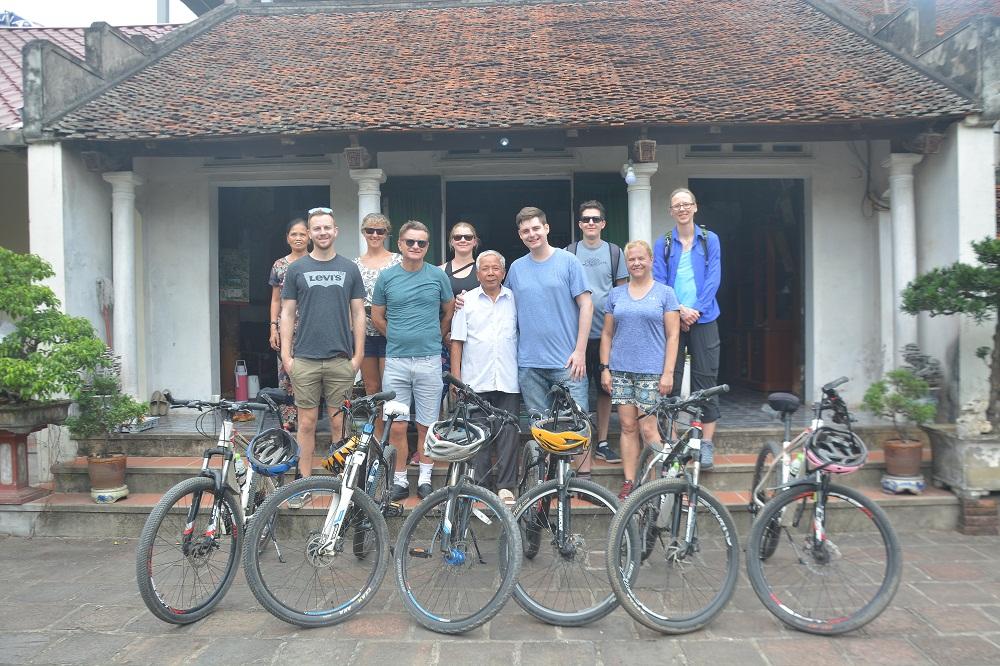
Cycling is one of the most rewarding ways to explore the region.
The terrain is mostly flat, making it accessible to travelers with moderate fitness.
A good cycling route can take you through:
Fruit orchards → coconut groves → narrow lanes → canals → bridges → riverside villages
The key is not distance.
A 15–30 km relaxed cycling route can be more enjoyable than trying to cover a huge distance.
Mekong Delta Boat Trips
There are several types of boats.
Large tourist boats: Comfortable but less intimate.
Traditional sampans: Best for narrow canals.
Private motorboats: Useful for covering longer distances.
Luxury river cruises: Best for multi-day premium travel.
For a private journey, combining a larger boat for major waterways with a sampan for narrow canals gives the best variety.
Luxury Mekong Delta Cruises
Travelers looking for a premium experience can spend one or more nights on a river cruise.
This allows you to see the Delta without repeatedly changing hotels.
A multi-day cruise can include:
- Sunrise on the river
- Villages
- Orchards
- Small canals
- Floating markets
- Riverside meals
- Cycling excursions
- Sampan rides
The slower pace is particularly attractive for couples and travelers who prefer comfort.
Mekong Delta Homestays
A countryside homestay can provide a more intimate experience than a city hotel.
Look for properties that offer:
- Garden surroundings
- Family-style meals
- Cycling
- Fruit gardens
- Small waterways
- Cooking experiences
A good homestay should feel like a comfortable countryside property rather than simply a basic room marketed as an “authentic” experience.
Mekong Delta Weather
The Mekong Delta has a tropical climate with high temperatures throughout the year.
Generally:
December–April: Drier and more comfortable.
May–November: More rainfall.
The rainy season does not mean that travel is impossible. Heavy showers are often temporary, but river activities and countryside roads can be affected.
Can Tho is generally coolest during December and January, while temperatures increase from around March through June.
Best Time to Visit the Mekong Delta
December to February
One of the most comfortable periods for sightseeing.
Good for:
- Cycling
- Boat trips
- Markets
- Countryside walks
- Photography
March to May
Hotter, but the fruit-growing areas become particularly interesting.
If you enjoy tropical fruit, this period can be rewarding depending on the harvest.
June to August
Excellent for travelers interested in seasonal fruit.
The weather is hot and rain is more common, so schedule outdoor activities early.
September to November
Rainfall can be heavier, but the landscape can be very green.
Allow flexibility for boat activities.
Mekong Delta Transportation
From Ho Chi Minh City
The Delta is relatively close to Ho Chi Minh City.
Ben Tre: Around two hours by road under normal conditions.
Can Tho: Around several hours depending on traffic and transportation.
For a day trip, Ben Tre or another nearby province is usually more practical.
For a multi-day trip, continue deeper toward Can Tho and potentially Chau Doc.
Private Car vs Group Tour
A private car is strongly recommended if your goal is to experience the Delta rather than simply check off attractions.
With private transportation, you can:
- Stop for photographs
- Change the schedule
- Spend longer at fruit gardens
- Add cycling
- Choose better restaurants
- Avoid unnecessary shopping stops
- Stay overnight in the countryside
- Combine several destinations efficiently
A group tour can be cheaper, but the itinerary is usually less flexible.
Getting Around the Delta
Once in the region, combine several forms of transportation.
Private car: Best for long distances.
Boat: Essential for understanding the waterways.
Sampan: Best for narrow canals.
Bicycle: Excellent for countryside roads.
Motorbike: Suitable for experienced riders.
The best itinerary uses transportation as part of the experience rather than simply trying to reach the next attraction.
Where to Stay in the Mekong Delta
Can Tho
Best for first-time visitors and travelers who want comfortable hotels, restaurants and easy access to Cai Rang.
Ben Tre
Best for travelers interested in coconut groves, gardens and quiet countryside.
Cai Be
Best for travelers seeking a smaller-scale experience with orchards and traditional houses.
Chau Doc
Best for travelers interested in culture, Cham communities, Sam Mountain and Tra Su.
Riverside Lodges
Best for couples and travelers seeking a peaceful premium experience.
Mekong Delta for Families
The Delta is excellent for families because children can experience things that are difficult to see in major cities.
Good activities include:
- Boat rides
- Fruit gardens
- Cycling
- Coconut farms
- Traditional food
- Fishing experiences
- Small canals
With younger children, use life jackets on boats and avoid scheduling long transfers every day.
Mekong Delta for Couples
A romantic itinerary could include:
Private boat → fruit garden → countryside lunch → cycling → riverside hotel → sunset → private dinner
A riverside boutique property can be much more memorable than staying in a large city hotel.
Mekong Delta for Food Lovers
Food should be one of the main reasons to visit.
The region’s fertile agricultural environment produces an enormous range of fruits, vegetables, rice and freshwater fish.
Try:
- Hu Tieu
- Canh Chua
- Ca Kho To
- Banh Xeo
- Banh Cong
- Nem Nuong
- Grilled fish
- Fresh tropical fruit
- Coconut sweets
- Che
Chau Doc is particularly famous for fermented fish products and Bun Ca, while Can Tho offers excellent Hu Tieu and other southern specialties.
Mekong Delta for Photographers
The best photography opportunities usually occur early in the morning.
Sunrise: Cai Rang Floating Market
Morning: Fruit gardens and canals
Afternoon: Coconut groves and countryside
Golden hour: Riverside landscapes
Evening: Riverside towns and boats
A wide-angle lens is useful for landscapes, while a telephoto lens can help capture activity on the water without disturbing people.
Mekong Delta for Nature Lovers
Choose Ben Tre, Can Tho’s smaller waterways and Tra Su rather than focusing entirely on markets.
The experience becomes more interesting when you combine wetlands, gardens, waterways and cycling.
One-Day Mekong Delta Itinerary
Morning: Depart Ho Chi Minh City early and travel toward Ben Tre. Take a boat through the waterways, visit a coconut-growing area and continue by sampan through smaller canals. Meals: Breakfast, Lunch & Dinner.
Afternoon: Visit a fruit garden, enjoy a countryside lunch and take a short bicycle ride before returning to Ho Chi Minh City. Meals: Breakfast, Lunch & Dinner.
This is convenient but rushed. If your schedule allows, stay overnight.
Two-Day Mekong Delta Itinerary
Day 1 – Ho Chi Minh City to Ben Tre: Travel by private car to Ben Tre, explore coconut groves and waterways by boat and sampan, cycle through the countryside and stay overnight in a riverside property. Meals: Breakfast, Lunch & Dinner.
Day 2 – Ben Tre to Can Tho: Continue toward Can Tho, explore the city and surrounding waterways, visit a fruit garden or traditional workshop and enjoy dinner beside the Hau River. Meals: Breakfast, Lunch & Dinner.
Three-Day Mekong Delta Itinerary
Day 1 – Ben Tre: Depart Ho Chi Minh City and travel to Ben Tre. Explore coconut groves, canals, fruit gardens and countryside lanes before spending the night beside the river. Meals: Breakfast, Lunch & Dinner.
Day 2 – Can Tho: Continue to Can Tho, explore the islets by bicycle or sampan, visit Binh Thuy Ancient House and enjoy southern Vietnamese cuisine in the evening. Meals: Breakfast, Lunch & Dinner.
Day 3 – Cai Rang Floating Market: Wake before sunrise for a private boat to Cai Rang Floating Market. Have breakfast on the river, continue through smaller waterways and fruit gardens, then return to Can Tho before continuing to Ho Chi Minh City or another destination. Meals: Breakfast, Lunch & Dinner.
Four-Day Mekong Delta Itinerary
Day 1 – Ben Tre & Coconut Country: Travel from Ho Chi Minh City to Ben Tre and spend the day exploring coconut groves, canals, fruit gardens and countryside roads. Overnight in a riverside property. Meals: Breakfast, Lunch & Dinner.
Day 2 – Cai Be & Vinh Long: Continue toward Cai Be and explore Tan Phong Islet by sampan and bicycle. Visit fruit gardens and traditional agricultural areas before continuing toward Can Tho. Meals: Breakfast, Lunch & Dinner.
Day 3 – Can Tho & Cai Rang: Wake before sunrise for Cai Rang Floating Market, enjoy Hu Tieu breakfast on the river and continue through smaller canals. Spend the afternoon exploring Can Tho and enjoy a riverside dinner. Meals: Breakfast, Lunch & Dinner.
Day 4 – Chau Doc & Tra Su: Travel toward Chau Doc, explore the market and Sam Mountain area, then continue to Tra Su Cajuput Forest before ending the journey in Chau Doc or continuing toward Cambodia. Meals: Breakfast, Lunch & Dinner.
Mekong Delta and Ho Chi Minh City
This is the easiest combination for first-time visitors.
A practical itinerary is:
Ho Chi Minh City – 3 nights → Ben Tre – 1 night → Can Tho – 1 night → Ho Chi Minh City
This provides enough time for both urban and rural experiences.
Mekong Delta and Cambodia
Travelers continuing toward Cambodia can consider routing through Chau Doc and onward toward the border.
This creates an interesting journey because the landscape gradually changes from the Vietnamese Delta toward the Cambodian side of the Mekong basin.
If crossing an international border, check current visa and border-entry requirements before departure.
Mekong Delta and Phu Quoc
The Delta can also be combined with Phu Quoc.
One route is:
Ho Chi Minh City → Ben Tre → Can Tho → Phu Quoc
This combines:
City → countryside → river life → island beaches
It works particularly well for travelers who want to finish a Vietnam trip with several relaxed beach days.
Mekong Delta and Da Lat
For a southern itinerary with contrasting landscapes:
Ho Chi Minh City → Mekong Delta → Da Lat
The Delta provides tropical lowlands and waterways, while Da Lat offers cool highlands, pine forests and coffee plantations.
Practical Mekong Delta Travel Tips
Wake up early. Floating markets are morning experiences, not afternoon attractions.
Stay overnight if possible. A one-day trip gives you only a glimpse of the Delta.
Take both a large boat and a sampan. They provide very different experiences.
Cycle at least once. The flat countryside is ideal for relaxed cycling.
Eat regional food. The Delta has a distinctive southern culinary identity.
Carry insect repellent. Especially when staying near waterways and gardens.
Wear sun protection. The tropical sun can be strong even when the landscape feels cool.
Bring rain protection. Sudden tropical showers are possible.
Wear comfortable shoes. Countryside paths can become muddy after rain.
Do not over-schedule. The Delta is about slowing down.
Avoid unnecessary shopping stops. A well-designed private itinerary should prioritize genuine experiences over compulsory workshops.
Respect photography etiquette. Ask before photographing people closely, especially in homes, markets and religious communities.
Best Mekong Delta Experiences at a Glance
Best first destination: Ben Tre
Best base: Can Tho
Best floating market: Cai Rang
Best countryside: Ben Tre and Cai Be
Best cycling: Ben Tre and the islets around Can Tho
Best cultural diversity: Chau Doc
Best nature experience: Tra Su Cajuput Forest
Best food city: Can Tho
Best regional food destination: Chau Doc
Best experience for couples: Private riverside stay and boat trip
Best for families: Ben Tre
Best for photographers: Cai Rang at sunrise
Best luxury experience: Multi-day private river journey
Best duration: 3–4 days
Best combination: Ho Chi Minh City + Mekong Delta
Is the Mekong Delta Worth Visiting?
Yes, especially if you want to experience a side of Vietnam that cannot be represented by major cities and famous monuments.
The Mekong Delta is about rivers, gardens, food, agriculture, boats, markets and everyday life. Its strongest experiences are often simple: waking before sunrise for Cai Rang, eating Hu Tieu on a boat, cycling beneath coconut trees, tasting freshly harvested fruit or traveling slowly through a narrow canal.
For a first visit, Ben Tre and Can Tho provide the easiest introduction. Travelers with more time should continue toward Chau Doc and Tra Su for a deeper cultural and natural experience.
The biggest mistake is trying to see the entire Delta in one day. The region is large, and each area has its own character. A slower 3–4 day private itinerary gives you far more time to appreciate the landscape.
Experience the Mekong Delta with Vietnam Women Travel
Vietnam Women Travel creates premium private tours led by women, and the Mekong Delta can be incorporated into a carefully designed southern Vietnam journey beginning in Hanoi.
A private itinerary can combine Ho Chi Minh City, Ben Tre, Can Tho, Cai Rang Floating Market, Chau Doc, Tra Su, Da Lat, Mui Ne and Phu Quoc, using flights for longer distances and private transportation, boats and bicycles for the Delta itself.
Rather than rushing between tourist attractions, a private Mekong Delta journey can focus on sunrise floating markets, private sampan rides, fruit gardens, coconut farms, countryside cycling, regional cuisine, riverside accommodation and cultural experiences at a comfortable pace.
Vietnam Women Travel – Premium Private Tours Led by Women.