
Phu Yen Guide: Beaches, Ganh Da Dia, Bai Xep, Mui Dien, Vung Ro, Food & Travel Tips
Phu Yen is one of the most rewarding coastal destinations in Central Vietnam for travelers who want beautiful scenery without the intensity of Vietnam’s busiest beach resorts. The province combines long beaches, dramatic rocky coastlines, fishing villages, lagoons, offshore islands, mountain roads and a relaxed coastal atmosphere. Its landscape is particularly attractive because the mountains frequently reach close to the sea, creating viewpoints that change dramatically as you travel along the coast.
Phu Yen is centered around Tuy Hoa, the provincial capital, but the best scenery is outside the city. A good trip should include Ganh Da Dia, Bai Xep, O Loan Lagoon, Mang Lang Church, Xuan Dai Bay, Mui Dien, Bai Mon and Vung Ro Bay. The official Vietnam Tourism site describes Phu Yen as a destination of beaches, isolated islands, rocky cliffs and outdoor activities, with Tuy Hoa Airport around 10 km from the city center.
Why Visit Phu Yen?
Phu Yen is ideal for travelers who prefer scenic road trips, quiet beaches, seafood, photography and nature rather than large resorts and crowded tourist attractions.
The coastline stretches for around 200 kilometers, with bays, lagoons, beaches and rocky formations spread across the province. Many attractions are relatively close to one another, making Phu Yen particularly good for a private car journey where you can stop whenever you find an attractive viewpoint.
The province is also famous for the movie Toi Thay Hoa Vang Tren Co Xanh — Dear Brother — which helped bring destinations such as Bai Xep to wider attention.
How Many Days Do You Need in Phu Yen?
1 day: Possible if you only want to see Tuy Hoa and a few nearby attractions, but it is too short for the full coastal experience.
2 days / 1 night: Enough for the main highlights around Tuy Hoa, Bai Xep, Ganh Da Dia and O Loan Lagoon.
3 days / 2 nights: The best choice for a first visit. You can explore the northern and southern coastline without rushing.
4 days / 3 nights: Better for travelers who want beaches, countryside, seafood, Vung Ro and a slower pace.
For a premium private trip, 3 nights is an excellent length because Phu Yen is best experienced by road rather than by checking attractions off a list.
Tuy Hoa City
Tuy Hoa is the practical base for exploring Phu Yen.
The city itself is relatively spacious and much quieter than Nha Trang or Da Nang. Wide streets, the Da Rang River and a long beachfront give Tuy Hoa a relaxed atmosphere.
The city is useful for accommodation, restaurants and transportation, but most travelers should spend part of their stay outside the urban area.
Tuy Hoa Beach is convenient for an early morning walk or sunset, while the city center provides easy access to the attractions north and south.
Nhan Mountain and Nhan Tower
Nhan Mountain rises above Tuy Hoa and provides one of the best viewpoints over the city.
At the summit is Nhan Tower, an ancient Cham tower dating from around the late 11th century. The tower is associated with the Cham civilization and has become one of the symbols of Phu Yen.
The climb is relatively short compared with a major mountain trek, making it a practical activity for travelers who want panoramic views without spending half a day hiking.
Go around late afternoon if you want cooler temperatures and changing light over Tuy Hoa.
Ganh Da Dia
Ganh Da Dia is the most distinctive natural attraction in Phu Yen.
The coastline here is covered by tightly packed basalt columns formed through volcanic geological processes. The rocks appear almost artificially arranged, with many columns creating geometric patterns that extend toward the sea.
The formation resembles a giant natural honeycomb and is one of the most unusual coastal landscapes in Vietnam.
The best time for photography is early morning when the light creates shadows between the basalt columns. Recent Vietnam Tourism material also highlights Ganh Da Dia as a major basalt landscape created by ancient volcanic activity.
How Long to Spend at Ganh Da Dia?
Allow around 1–1.5 hours for a comfortable visit.
You do not need an entire morning unless you want to photograph the coastline extensively.
Combine Ganh Da Dia with O Loan Lagoon, Mang Lang Church and Bai Xep to create a full northern Phu Yen day trip.
Bai Xep
Bai Xep is one of the most photographed beaches in Phu Yen.
The attraction is not simply the sandy beach. The surrounding landscape includes green grass, rocky cliffs and views across the blue sea.
The area became particularly famous after appearing in Dear Brother, and it remains one of the most recognizable landscapes in the province.
The best experience is to spend some time on the grassy headland rather than simply taking a photograph and leaving.
Early morning and late afternoon are much more comfortable than midday.
O Loan Lagoon
O Loan Lagoon is one of Phu Yen’s most important coastal landscapes and an excellent place to combine scenery with seafood.
The lagoon is surrounded by hills and fishing communities, creating a quieter environment than the beaches around Tuy Hoa.
It is particularly famous for seafood, especially O Loan blood cockles, which are highly regarded in the region.
A good itinerary can visit the lagoon around lunchtime and order freshly prepared seafood before continuing to Ganh Da Dia or Bai Xep.
O Loan Lagoon Seafood
Seafood is one of the reasons to include O Loan in your itinerary.
Depending on the season and availability, you may find:
- Blood cockles
- Oysters
- Crab
- Shrimp
- Squid
- Grilled fish
- Steamed shellfish
Ask restaurants what was caught that day rather than choosing only from a fixed menu.
For seafood lovers, lunch around O Loan Lagoon can be one of the highlights of a Phu Yen road trip.
Mang Lang Church
Mang Lang Church is one of the most interesting cultural stops on the northern route.
The church has distinctive Gothic-inspired architecture with two towers and a decorative entrance.
Its peaceful grounds make it a pleasant stop between Tuy Hoa and Ganh Da Dia.
The church is also associated with the history of Catholicism in Vietnam and the story of Blessed Andrew of Phu Yen, making it more than simply a photographic attraction.
Xuan Dai Bay
Xuan Dai Bay is a large coastal bay in northern Phu Yen characterized by calm waters, rocky headlands and fishing communities.
It is less about one individual landmark and more about enjoying the coastline.
Kayaking, boat trips and swimming can be incorporated when conditions are suitable. Vietnam Tourism specifically highlights Xuan Dai Bay as an area for kayaking and other water activities.
For travelers who prefer quieter scenery, this area is worth adding to a longer Phu Yen itinerary.
Nhat Tu Son Island
Nhat Tu Son is a small island near the northern part of Phu Yen.
Its distinctive feature is the changing appearance of the access route depending on tides.
The island is surrounded by clear coastal water and provides a different experience from the mainland beaches.
Check tide conditions before planning the visit because access and the appearance of the connecting route depend on water levels.
Hon Yen
Hon Yen is another attractive coastal area known for rocky formations, islands and changing tidal scenery.
The landscape becomes especially interesting when the tide is low and more of the coastal formations become visible.
Photography enthusiasts should check the tide forecast and weather before visiting because the visual experience can change substantially throughout the day.
Mui Dien and Bai Mon
Mui Dien, also called Dai Lanh Cape, is one of Phu Yen’s signature attractions.
The area combines Bai Mon beach, Mui Dien lighthouse and dramatic coastal cliffs.
The route to the lighthouse involves walking and stairs, but the reward is a panoramic view over the coastline.
The official tourism site describes Bai Mon as a secluded beach surrounded by mountains and recommends arriving around dawn for the sunrise experience.
Mui Dien Lighthouse
The lighthouse sits above the sea and has become one of the province’s most recognizable viewpoints.
Many travelers visit very early in the morning because of the sunrise.
However, you should not choose the attraction solely because of the claim that it is Vietnam’s absolute first sunrise point. The country’s easternmost mainland geography has been the subject of competing claims depending on the precise definition and location used.
For practical travel purposes, the important point is simple: Mui Dien is an excellent sunrise viewpoint.
Bai Mon Beach
Bai Mon is a relatively small beach tucked between mountains and the sea.
The combination of sand, cliffs and clear water makes it particularly photogenic.
You can combine Bai Mon and Mui Dien in the same visit because they are immediately associated with the same coastal area.
Wear comfortable shoes because reaching the viewpoint involves stairs and walking.
Vung Ro Bay
Vung Ro Bay is one of southern Phu Yen’s most dramatic coastal landscapes.
The bay is surrounded by mountains and has historically been important for maritime transportation and wartime history.
The area is also associated with the Ho Chi Minh Trail at Sea, making it interesting for travelers who want to combine natural scenery with modern Vietnamese history.
Vung Ro is also a good place to enjoy seafood and coastal views.
Dai Lanh Pass
The road approaching Vung Ro and Mui Dien passes through mountainous coastal scenery.
The combination of steep slopes, sea views and winding roads makes this section particularly attractive for a private road trip.
Rather than rushing through the journey, allow time for viewpoints and photographs.
Deo Ca Pass
Ca Pass is another important geographical feature in southern Phu Yen.
The mountains here form a natural boundary between the coastal areas around Phu Yen and Khanh Hoa.
Traveling by private car allows you to appreciate the changing landscape much more than simply taking a direct transfer.
Lao Mai Nha Islet
Lao Mai Nha Islet is a small offshore island near O Loan Lagoon.
It is known for its relatively untouched natural environment and can be suitable for camping, swimming and outdoor activities when conditions are appropriate.
Vietnam Tourism specifically lists camping, kayaking and swimming among the activities available around Phu Yen’s smaller coastal islands.
Because island activities depend heavily on weather and sea conditions, confirm boat availability before planning a dedicated trip.
Phu Yen Beaches
Phu Yen has many beaches, and one of its advantages is that you do not need to spend the entire holiday at a single resort beach.
Important coastal areas include:
Tuy Hoa Beach: easiest to access from the city.
Bai Xep: scenic and photogenic.
Bai Mon: secluded and surrounded by mountains.
Long Thuy Beach: convenient for swimming and sunrise.
Xuan Dai Bay: better for bays, islands and water activities.
Vung Ro: dramatic mountains and sheltered water.
The best beach depends on whether you want swimming, photography, scenery or complete relaxation.
Phu Yen Coastal Road Trip
A road trip is arguably the best way to experience Phu Yen.
A northern route can follow:
Tuy Hoa → Long Thuy → Bai Xep → Mang Lang Church → Ganh Da Dia → O Loan Lagoon → Xuan Dai Bay
A southern route can follow:
Tuy Hoa → Dai Lanh → Mui Dien → Bai Mon → Vung Ro → Ca Pass
These routes can be done separately or combined into a longer itinerary.
For premium travel, a private vehicle is preferable because you can stop for photographs, seafood and viewpoints whenever you want.
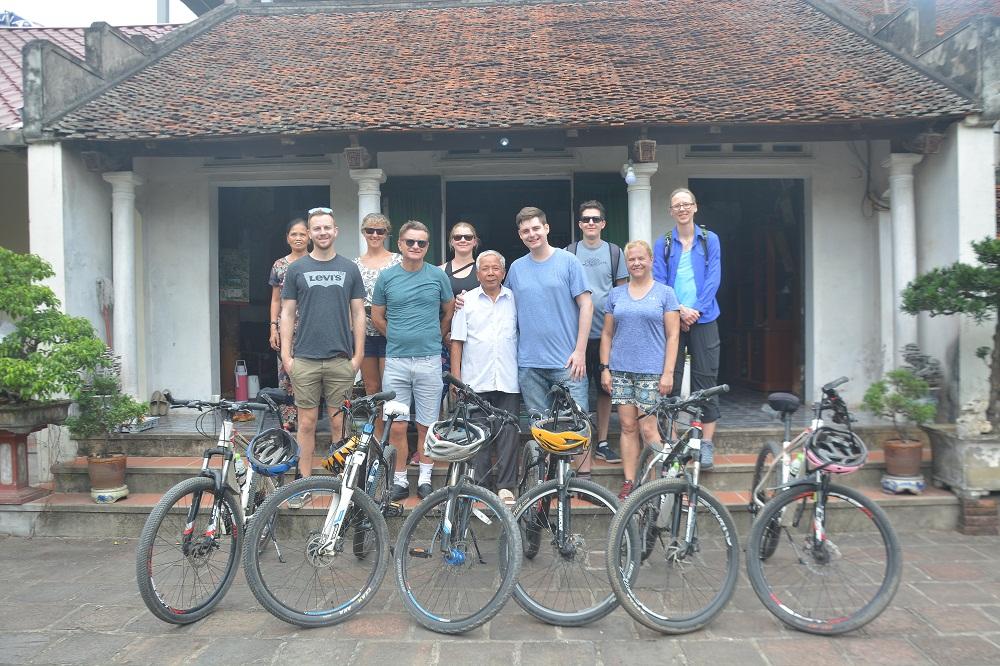
Phu Yen Cycling
Phu Yen is suitable for recreational cycling, particularly around the quieter coastal roads and countryside.
Cycling is best done early in the morning because temperatures can rise quickly.
For a more comfortable experience, choose a short route rather than attempting to cover the entire coastline by bicycle.
Kayaking and Water Activities
The bays and smaller islands around Phu Yen offer opportunities for kayaking, swimming and boating.
Xuan Dai Bay and areas around the offshore islets are particularly suitable when sea conditions are calm.
Always check weather and sea conditions before going out on the water.
During rough seas or strong winds, a scenic coastal drive is a better alternative.
Phu Yen Food Guide
Phu Yen is an excellent destination for seafood lovers.
Important dishes and ingredients to look for include:
- O Loan blood cockles
- Tuna
- Grilled squid
- Fresh crab
- Shrimp
- Lobster
- Seafood hotpot
- Grilled fish
- Chicken rice
- Banh Canh
- Banh Xeo
- Chao Hau
- Nem nuong
- Local fish noodle dishes
The seafood is generally the highlight.
Because Phu Yen is a major fishing region, simple preparation often works best: grilled, steamed or cooked with a light sauce.
Phu Yen Tuna
Phu Yen is particularly associated with ocean tuna.
Tuna appears in numerous preparations, from grilled dishes to soups and sashimi-style preparations in suitable restaurants.
For the freshest experience, look for restaurants specializing in seafood rather than establishments aimed exclusively at tourists.
O Loan Blood Cockles
The blood cockles from O Loan Lagoon are one of the region’s best-known specialties.
They can be grilled, steamed or prepared with herbs and other ingredients.
If you enjoy seafood, do not leave Phu Yen without trying them.
Banh Canh He
Banh Canh He is a simple Central Vietnamese noodle soup associated with Phu Yen.
It typically combines thick noodles with fish and a broth, finished with a generous amount of chives.
It is particularly suitable for breakfast or a light lunch.
Banh Xeo Phu Yen
Phu Yen’s version of Banh Xeo is generally smaller and crispier than some versions found in southern Vietnam.
The pancakes can be filled with shrimp, squid or other seafood and eaten with herbs and dipping sauce.
Try them at a busy casual restaurant rather than expecting a luxury presentation.
Best Time to Visit Phu Yen
Phu Yen has a tropical coastal climate.
The official Vietnam Tourism guide notes that Phu Yen can be visited throughout much of the year but recommends avoiding the stormier period from approximately September to December.
For beaches, photography and road trips, January to August is generally more convenient.
January–March
Comfortable for sightseeing and coastal road trips.
April–June
Hotter, but excellent for beaches and early-morning activities.
July–August
Still suitable for beach travel, although heat can be strong.
September–December
Rain and storms become more important considerations, particularly for boat trips and exposed coastal attractions.
Best Time for Sunrise at Mui Dien
If sunrise is your priority, arrive before dawn.
The drive and walk should be planned around the actual sunrise time for your travel date.
Do not leave Tuy Hoa at the last minute.
Allow time for parking, walking and climbing the stairs.
Phu Yen Weather Tips
The strongest heat is generally around midday.
Plan outdoor activities like:
Sunrise → sightseeing → seafood lunch → hotel rest → sunset
rather than spending six consecutive hours outside.
This schedule is especially useful from April through August.
How to Get to Phu Yen
The easiest way to reach Phu Yen by air is through Tuy Hoa Airport, which is located around 10 km from central Tuy Hoa. Vietnam Tourism lists flights connecting Tuy Hoa with major Vietnamese cities including Hanoi and Ho Chi Minh City.
From the airport, a private transfer to your hotel is straightforward.
Hanoi to Phu Yen
For travelers starting in Hanoi, flying to Tuy Hoa is the most time-efficient option.
For a premium Vietnam itinerary, a practical route is:
Hanoi → Phu Yen → Nha Trang → Hoi An/Da Nang
This avoids spending too much holiday time on long overland journeys.
Ho Chi Minh City to Phu Yen
Flying from Ho Chi Minh City to Tuy Hoa is another convenient option.
Alternatively, Phu Yen can be incorporated into a longer coastal road trip through southern and central Vietnam.
Nha Trang to Phu Yen
Phu Yen is particularly easy to combine with Nha Trang.
The two destinations provide different experiences:
Nha Trang: resort infrastructure, island trips, nightlife and a larger range of hotels.
Phu Yen: quieter beaches, dramatic coastal scenery, fishing communities and scenic road trips.
A private vehicle makes the journey between them much more interesting because you can stop around Vung Ro and other coastal viewpoints.
Where to Stay in Phu Yen
Tuy Hoa City
Best for first-time visitors.
You will have easy access to restaurants, the beach and transportation.
It is also the most practical base for day trips in both directions.
Tuy Hoa Beachfront
Best for travelers who want to combine city convenience with beach access.
Choose a hotel where you can easily walk to the beach.
Countryside and Coastal Retreats
Best for couples and travelers seeking privacy.
These properties can be more peaceful than central Tuy Hoa but may require private transportation.
Luxury Stay Strategy
Phu Yen has fewer large luxury-resort choices than Nha Trang or Da Nang.
For a premium itinerary, consider combining a comfortable beachfront hotel in Tuy Hoa with private transportation and carefully selected experiences rather than choosing accommodation solely on the basis of a large resort.
Phu Yen for Couples
Phu Yen is particularly suitable for couples who prefer scenery and privacy.
A romantic day could include:
Mui Dien sunrise → breakfast → Vung Ro coastal drive → seafood lunch → hotel relaxation → Bai Xep sunset
The destination feels considerably quieter than Vietnam’s major resort cities.
Phu Yen for Families
Families can enjoy Phu Yen, particularly if the itinerary is not overloaded.
Good activities include:
- Beach time
- Short boat trips
- Seafood meals
- Ganh Da Dia
- Bai Xep
- Mui Dien
- Easy countryside drives
- Tuy Hoa city
Avoid scheduling too many long coastal transfers on consecutive days with young children.
Phu Yen for Older Travelers
Phu Yen can work very well for older travelers if transportation is arranged privately.
The main consideration is walking and stairs.
Mui Dien requires climbing, while some rocky coastal attractions require uneven walking surfaces.
A private vehicle allows you to minimize unnecessary walking between attractions.
Phu Yen for Photographers
This is one of Phu Yen’s strongest advantages.
Best sunrise: Mui Dien.
Best geological photography: Ganh Da Dia.
Best beach photography: Bai Xep.
Best city viewpoint: Nhan Mountain.
Best coastal landscape: Vung Ro.
Best fishing scenery: O Loan Lagoon and surrounding coastal villages.
For the best light, photograph the coast during sunrise and the final two hours before sunset.
Three-Day Phu Yen Itinerary
Day 1 – Tuy Hoa & Northern Coast: Arrive in Tuy Hoa, check into your hotel and explore Nhan Mountain and Nhan Tower. In the afternoon, continue to Bai Xep and enjoy the coastal scenery before returning to Tuy Hoa for dinner. Meals: Breakfast, Lunch & Dinner.
Day 2 – Ganh Da Dia & O Loan Lagoon: Leave early for Mang Lang Church, continue to Ganh Da Dia and spend time photographing the basalt formations. Enjoy a seafood lunch around O Loan Lagoon before visiting nearby coastal viewpoints and returning to Tuy Hoa. Meals: Breakfast, Lunch & Dinner.
Day 3 – Mui Dien & Vung Ro: Leave before sunrise for Mui Dien and Bai Mon. After breakfast, continue through the dramatic southern coastline toward Vung Ro Bay and Ca Pass before returning to Tuy Hoa or continuing to Nha Trang. Meals: Breakfast, Lunch & Dinner.
Four-Day Phu Yen Itinerary
Day 1 – Arrival in Tuy Hoa: Arrive at Tuy Hoa Airport, transfer privately to your hotel and enjoy a relaxed afternoon at Tuy Hoa Beach and Nhan Tower. Meals: Breakfast, Lunch & Dinner.
Day 2 – Northern Phu Yen: Explore Bai Xep, Mang Lang Church, Ganh Da Dia and O Loan Lagoon. Spend the afternoon enjoying seafood and coastal scenery. Meals: Breakfast, Lunch & Dinner.
Day 3 – Southern Coast: Start with sunrise at Mui Dien and Bai Mon, then travel through Vung Ro and Ca Pass. Return to Tuy Hoa for a relaxed evening. Meals: Breakfast, Lunch & Dinner.
Day 4 – Leisure & Departure: Enjoy breakfast and free time for the beach or a final seafood lunch before flying onward or continuing by private vehicle toward Nha Trang. Meals: Breakfast, Lunch & Dinner.
Phu Yen and Nha Trang
This is one of the easiest coastal combinations.
Spend 2–3 nights in Phu Yen for scenery and quiet beaches, then continue to Nha Trang for a larger selection of resorts, restaurants and island activities.
The contrast makes the journey more interesting than spending the entire holiday in one resort city.
Phu Yen and Quy Nhon
Phu Yen can also be combined with Quy Nhon.
Both destinations emphasize beaches and coastal landscapes, but their scenery differs enough to justify visiting both.
A longer road journey can include:
Quy Nhon → Phu Yen → Nha Trang
This is particularly attractive for travelers who enjoy scenic coastal driving.
Phu Yen and Hoi An
For a longer Central Vietnam itinerary, Phu Yen can be connected with:
Phu Yen → Nha Trang → Hoi An → Hue
This route is better suited to travelers with at least two weeks in Vietnam because of the distances involved.
For premium travel, use flights where they save significant time and private road transfers for scenic regional journeys.
Phu Yen Travel Tips
Rent a car with a driver if possible. The attractions are spread across a large area, and a private vehicle makes the trip much more comfortable.
Start early. Mui Dien is best around sunrise, while Ganh Da Dia is more comfortable before the strongest midday heat.
Check weather before boat trips. Sea conditions can change quickly.
Bring proper shoes. Rocky coastlines can be uneven and slippery.
Carry sunscreen and water. There is limited shade at several exposed coastal viewpoints.
Do not rush the seafood stops. O Loan Lagoon is worth experiencing as a meal stop rather than simply photographing the lagoon.
Allow flexibility. Phu Yen’s appeal comes from its coastal scenery, so unexpected viewpoints and small fishing areas can be as enjoyable as the famous attractions.
Best Phu Yen Experiences at a Glance
Best natural attraction: Ganh Da Dia
Best sunrise: Mui Dien
Best beach scenery: Bai Xep
Best seafood: O Loan Lagoon
Best city viewpoint: Nhan Mountain
Best historical attraction: Mang Lang Church
Best coastal bay: Vung Ro
Best road trip: Tuy Hoa → Ganh Da Dia → O Loan → Mui Dien → Vung Ro
Best activity: Coastal road trip
Best for couples: Bai Xep and Mui Dien
Best for photographers: Ganh Da Dia and Mui Dien
Best duration: 3 nights
Best overall season: January–August
Best transportation: Private car with driver
Is Phu Yen Worth Visiting?
Phu Yen is worth visiting if you want to experience a quieter, more scenic side of Vietnam’s central coast.
Its greatest strength is the combination of attractions rather than one individual landmark. In one trip you can watch sunrise above the ocean at Mui Dien, walk across volcanic basalt formations at Ganh Da Dia, eat seafood beside O Loan Lagoon, explore an ancient Cham tower in Tuy Hoa and drive through dramatic coastal mountains around Vung Ro.
It is particularly suitable for travelers who value scenery, food, photography, beaches and road trips over nightlife and large-scale resort entertainment.
For a first visit, three nights is the ideal starting point, while four nights allows you to slow down and enjoy the coastline properly.
Experience Phu Yen with Vietnam Women Travel
Vietnam Women Travel creates premium private tours led by women, and Phu Yen can be incorporated into a carefully planned Central Vietnam journey beginning in Hanoi.
A private itinerary can combine Hanoi, Phu Yen, Nha Trang, Hoi An, Da Nang and Hue, using flights for longer distances and private vehicles for scenic coastal journeys.
In Phu Yen, the experience can focus on Mui Dien sunrise, Bai Mon, Vung Ro Bay, Ganh Da Dia, Bai Xep, O Loan Lagoon, Mang Lang Church, Nhan Tower and carefully selected seafood experiences.
Because the attractions are spread along the coastline, a private itinerary gives you more flexibility to adjust departure times, stop at viewpoints and avoid rushing between destinations.
Vietnam Women Travel – Premium Private Tours Led by Women.