
Hoi An Guide: Ancient Town, Food, Beaches, Tailor Shops, Countryside & Travel Tips
Hoi An is one of Vietnam’s most atmospheric destinations, combining a beautifully preserved historic trading town with riverside streets, traditional architecture, excellent food, nearby beaches and peaceful countryside. The city is especially attractive in the late afternoon and evening, when the old streets become pedestrian-friendly and colorful lanterns illuminate the historic buildings.
Hoi An is not simply a place to spend a few hours walking around the Ancient Town. To appreciate the destination properly, allow 2–3 nights. This gives you enough time for the heritage streets, traditional houses, markets, food experiences, countryside, beaches and nearby cultural sites without rushing from one attraction to another.
Why Visit Hoi An?
The biggest attraction is the Hoi An Ancient Town, a UNESCO World Heritage Site and former trading port where Vietnamese, Chinese, Japanese and European influences developed together over several centuries.
The historic center is compact enough to explore on foot, making it very different from larger Vietnamese cities. Yellow-painted buildings, wooden shop houses, narrow lanes, old assembly halls and the Thu Bon River create a distinctive atmosphere.
Hoi An is also one of Vietnam’s best destinations for food. You can try Cao Lau, White Rose dumplings, Mi Quang, Com Hen, Banh Mi Hoi An, fried wontons and regional seafood within a relatively small area.
Outside the Ancient Town, the landscape changes quickly to rice fields, vegetable gardens, waterways and beaches. This makes Hoi An particularly good for combining cultural sightseeing with cycling and outdoor experiences.
How Many Days Do You Need in Hoi An?
1 day: Enough for a quick introduction to the Ancient Town, market and evening atmosphere.
2 days: A good first visit, combining the Ancient Town with food and countryside.
3 days: Recommended for most travelers. You can add An Bang Beach, Tra Que Vegetable Village, a cooking experience or My Son Sanctuary.
4 days: Ideal if you want a slower premium stay with several food experiences, cycling, beach time and cultural activities.
If Hoi An is part of a larger Central Vietnam itinerary, 3 nights is an excellent choice.
Hoi An Ancient Town
The Ancient Town is the heart of Hoi An.
Its streets contain historic merchant houses, temples, assembly halls, cafés, restaurants, handicraft shops and small museums.
The town’s importance came from its position as a trading port. Merchants from different parts of Asia and beyond interacted here, creating an architectural and cultural environment that remains visible today.
The best way to explore is on foot rather than trying to visit every building as quickly as possible.
Start early in the morning, return to your hotel during the hottest part of the day, and come back in the late afternoon for the evening atmosphere.
How Long Should You Spend in the Ancient Town?
Allow at least 3–4 hours for a first visit.
If you want to enter historic houses, temples and museums, allow most of a day.
The streets become particularly atmospheric from late afternoon onward, but they can also become busy.
Early morning is better for photography and a quieter experience.
Japanese Covered Bridge
The Japanese Covered Bridge is one of Hoi An’s most recognizable landmarks.
The historic bridge connects two sections of the old trading quarter and reflects the influence of the Japanese merchant community that once lived and traded in Hoi An.
The structure has become one of the city’s defining symbols.
Because it is located directly in the Ancient Town, it is easy to include during a walking tour.
Tan Ky Ancient House
Tan Ky Ancient House is one of the most interesting historic merchant houses in Hoi An.
The house illustrates how families lived and conducted business in the trading-port period.
Its architecture reflects several cultural influences, including Vietnamese, Chinese and Japanese elements.
Rather than simply photographing the facade, walk through the interior to see the narrow layout, wooden beams, courtyard and decorative details.
Phung Hung Ancient House
Phung Hung Ancient House is another historic building worth visiting if you want to understand traditional merchant-house architecture.
The building demonstrates how residential and commercial functions were combined within the narrow town houses.
It is especially useful when combined with a guided walking tour explaining how Hoi An developed as a trading port.
Fujian Assembly Hall
The Fujian Assembly Hall is one of Hoi An’s most recognizable Chinese-influenced buildings.
The ornate entrance, courtyard, decorative figures and temple space make it a popular stop during an Ancient Town walking tour.
Several assembly halls exist in Hoi An, each connected to different Chinese communities that historically lived and traded in the city.
Cantonese Assembly Hall
The Cantonese Assembly Hall provides another example of Chinese architectural influence in Hoi An.
Its courtyard and decorative details make it an interesting complement to the Fujian Assembly Hall.
If you are interested in architecture, visiting several assembly halls helps explain why Hoi An looks different from other Vietnamese historic towns.
Hoi An Market
Hoi An Market is a good place to explore food, ingredients, spices, fruit, vegetables, seafood and regional products.
The market is especially active in the morning.
For travelers interested in Vietnamese cuisine, it is worth visiting before a cooking class because you can see the ingredients used in many traditional dishes.
It is also a good place to try small snacks rather than treating the market simply as a shopping destination.
Hoi An Lanterns
Lanterns are one of the visual symbols of Hoi An.
They appear throughout the Ancient Town, especially around the river and market streets.
At night, the illuminated lanterns create a completely different atmosphere from daytime Hoi An.
You can also visit workshops where artisans demonstrate how traditional lanterns are made.
Hoi An at Night
The Ancient Town becomes especially attractive after sunset.
Restaurants open onto the streets, lanterns illuminate the buildings, and the riverfront becomes one of the busiest areas.
Rather than spending the entire evening in one restaurant, consider walking through several streets, stopping for dessert or coffee and exploring the riverside.
The atmosphere is usually most enjoyable after the heat of the afternoon has disappeared.
Hoi An Lantern Festival
Hoi An’s traditional full-moon lantern celebrations are associated with the lunar calendar.
During these evenings, parts of the Ancient Town become especially atmospheric, with decorative lanterns and cultural activities.
However, you do not need to visit during the festival to experience Hoi An’s lantern culture. Lanterns are an important part of the city’s evening appearance throughout the year.
If you specifically want to experience a festival night, check the exact lunar-calendar date before booking your accommodation.
Thu Bon River
The Thu Bon River runs alongside the Ancient Town and is central to Hoi An’s identity as a historic trading port.
A walk beside the river is particularly pleasant around sunset.
You can also take a short boat ride to see the town from the water.
For a more relaxed experience, a private boat around sunset can be arranged rather than joining a large shared group.
Hoi An Boat Rides
A short boat ride can be a pleasant addition to an Ancient Town visit.
The experience is relatively simple but provides different views of the historic buildings and riverfront.
For couples, a sunset boat ride is particularly attractive.
For families, a short daytime boat trip can be combined with a visit to the riverside market and Ancient Town.
Hoi An Food Guide
Hoi An is one of the best places in Vietnam for travelers who enjoy regional cuisine.
The city has several dishes that are strongly associated with the area.
Important dishes to try include:
- Cao Lau
- White Rose dumplings
- Mi Quang
- Hoi An Banh Mi
- Fried wontons
- Com Hen
- Banh Xeo
- Grilled pork skewers
- Fresh seafood
- Vietnamese coffee
The best approach is to try several smaller dishes rather than ordering one large meal every time.
Cao Lau
Cao Lau is perhaps the dish most closely associated with Hoi An.
It combines thick noodles with slices of pork, fresh herbs, vegetables and crispy pieces.
The noodles have a distinctive texture and are different from the noodles used in many other Vietnamese dishes.
Cao Lau is best experienced in Hoi An itself rather than assuming a similar-looking noodle dish elsewhere is the same.
White Rose Dumplings
White Rose, known in Vietnamese as Banh Bao Banh Vac, is another Hoi An specialty.
The delicate dumplings are shaped to resemble flowers and are usually filled with seasoned shrimp or pork.
They are steamed and served with a light dipping sauce.
Because they are relatively small, they are perfect for sharing during a food-focused meal.
Hoi An Banh Mi
Hoi An is famous for its distinctive style of Vietnamese Banh Mi.
A good Hoi An Banh Mi combines a crisp baguette with meat or pâté, herbs, vegetables, pickles and sauce.
It is inexpensive, quick and ideal for lunch when you want to continue sightseeing.
Fried Wontons
Hoi An-style fried wontons are usually served with a combination of crispy wonton pieces, vegetables, tomato-based sauce and other toppings.
The dish is quite different from the boiled wontons found in some other Asian cuisines.
It is worth trying as part of a regional food tour.
Mi Quang
Mi Quang is more strongly associated with Quang Nam and Central Vietnam but is widely available in Hoi An.
The dish uses broad rice noodles with a small amount of intensely flavored broth, herbs, peanuts and meat or seafood.
It is a good alternative if you want something different from Cao Lau.
Hoi An Cooking Classes
Cooking classes are among the most popular activities outside the Ancient Town.
A good class normally combines a market visit with ingredient preparation and cooking.
You can learn how to prepare dishes such as spring rolls, Banh Xeo, Cao Lau-style noodles or other Vietnamese specialties.
Choose a class that includes hands-on cooking rather than simply watching a chef.
Tra Que Vegetable Village
Tra Que Vegetable Village is located close to Hoi An and is one of the easiest countryside experiences to add to a short stay.
The area is known for vegetable cultivation and provides a chance to see a different side of Hoi An away from the historic center.
You can combine a visit with cycling through surrounding fields.
Morning is generally the most comfortable time for outdoor activities.
Cycling Around Hoi An
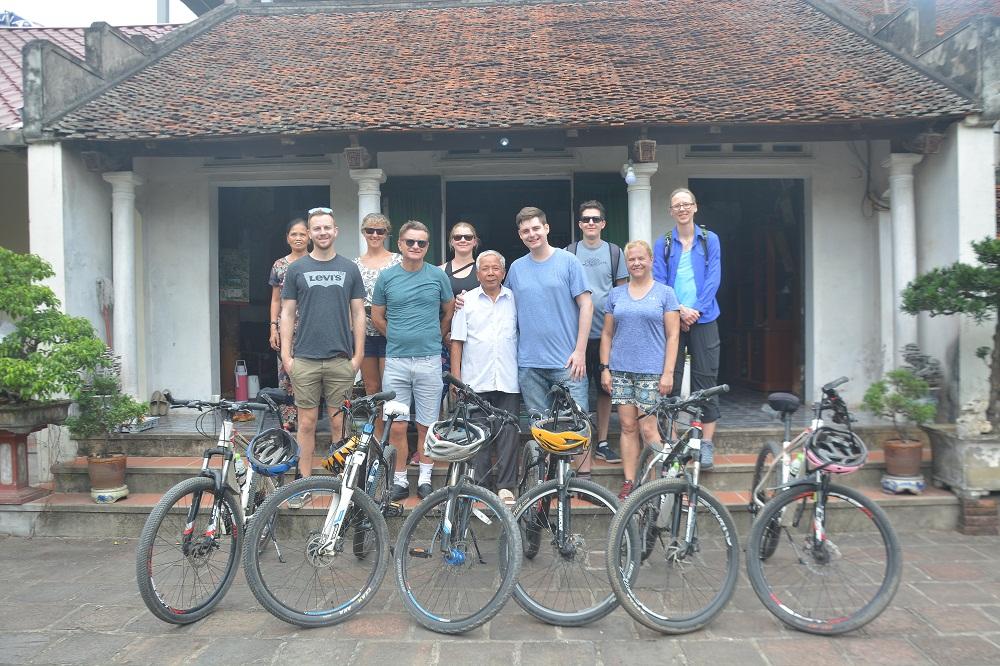
Cycling is one of the best ways to explore Hoi An beyond the Ancient Town.
The roads around the city lead through rice fields, vegetable gardens, waterways and small settlements.
The terrain is generally manageable for recreational cyclists.
A half-day cycling route can combine:
Ancient Town → Tra Que → countryside roads → rice fields → Thu Bon River
For a more relaxed experience, use bicycles with comfortable seats and avoid the hottest hours of the day.
Cam Thanh Coconut Village
Cam Thanh is known for its waterways, coconut palms and traditional basket-boat experiences.
A short basket-boat ride through the waterways is a popular activity.
The experience is particularly suitable for families and travelers looking for something light and entertaining rather than strenuous adventure.
For a quieter experience, visit earlier in the day.
Basket Boat Experience
The round bamboo basket boat has become one of Hoi An’s recognizable tourist experiences.
The boats were traditionally used in coastal and river environments and are now commonly used for short visitor experiences around Cam Thanh.
A short ride can be combined with cycling through the countryside.
If you prefer a more culturally focused experience, choose an operator who explains the history and practical use of the boats rather than treating the ride purely as entertainment.
An Bang Beach
An Bang Beach is the most convenient beach for travelers staying in Hoi An.
It is roughly a short drive or bicycle ride from the Ancient Town.
The beach has restaurants, cafés and places to relax.
It is best to visit in the morning or late afternoon rather than during the strongest midday heat.
A good Hoi An itinerary can combine cultural sightseeing in the morning with beach time later in the day.
Cua Dai Beach
Cua Dai Beach is another coastal option near Hoi An.
It is suitable for travelers who prefer a quieter beach atmosphere and want to spend more time near the coast.
If you are staying in a beach resort, Cua Dai can be particularly convenient.
Hoi An Beaches vs Ancient Town
The two sides of Hoi An offer very different experiences.
Ancient Town: architecture, history, food, shopping, lanterns and nightlife.
An Bang/Cua Dai: swimming, relaxation, seafood and resort time.
This is why Hoi An works well for a 3-night stay: you do not have to spend every day sightseeing.
My Son Sanctuary
My Son Sanctuary is one of the most important historical sites near Hoi An.
The complex contains the remains of Hindu temples built by the Champa civilization.
The red-brick structures are surrounded by forest and represent an important chapter in the history of Central Vietnam.
My Son is located outside Hoi An, so allow several hours for the complete excursion.
An early morning visit is recommended because temperatures can become high around midday.
Hoi An to My Son
A private car is the most comfortable option for a My Son excursion.
The journey allows you to leave Hoi An early, explore the sanctuary before the strongest heat and return to the city in time for lunch.
For travelers interested in history and architecture, My Son is one of the best day trips from Hoi An.
Hoi An for Couples
Hoi An is one of the easiest destinations in Vietnam to design around a romantic trip.
A typical day can include:
Morning cycling → countryside lunch → hotel relaxation → Ancient Town at sunset → private river cruise → dinner
Couples can also combine several nights in the Ancient Town with one or two nights at a beach resort.
Hoi An for Families
Hoi An is very family-friendly because many activities are relatively gentle.
Good choices include:
- Ancient Town walking
- Boat rides
- Cooking classes
- Basket boats
- Cycling
- Beach time
- Lantern-making workshops
Avoid trying to visit too many historic buildings in one day with younger children.
Instead, combine one cultural activity with something interactive.
Hoi An for Older Travelers
Hoi An is suitable for older travelers, but the Ancient Town involves considerable walking.
A private car can reduce walking between distant attractions.
Plan sightseeing during the cooler morning and late afternoon periods.
Choose a hotel within easy reach of the Ancient Town but with comfortable access for vehicles.
A private guide can also make the historical sites much easier to understand without requiring extensive independent walking.
Hoi An for Food Lovers
Food lovers should spend at least three nights.
A strong food itinerary can include:
Morning market visit → cooking class → Cao Lau lunch → afternoon coffee → Banh Mi snack → evening food tour → regional dinner
Hoi An is particularly good for food tours because many specialties are concentrated within a relatively small area.
Hoi An for Photographers
The best photography times are early morning and late afternoon.
Early morning: quiet streets, soft light and fewer visitors.
Late afternoon: warm light on yellow buildings.
Blue hour: riverfront and Ancient Town architecture.
Night: lanterns and reflections on the river.
For the most atmospheric photographs, avoid visiting only during the middle of the day.
Best Time to Visit Hoi An
Hoi An has a tropical climate with distinct wet and dry periods.
February–April: generally comfortable and excellent for walking and cycling.
May–August: hot, sunny and suitable for beach activities, but midday temperatures can be high.
September–January: wetter conditions become more common.
October–December: rainfall can be significant, and occasional flooding can affect the Ancient Town.
If your priority is sightseeing, cycling and photography, February to April is one of the best periods.
If you mainly want beaches, May to August can work well, provided you are comfortable with higher temperatures.
Hoi An Weather
Weather can change quickly during the wet season.
Heavy rain does not necessarily mean the entire day will be unusable, but it can affect cycling, beach activities and walking.
During rainy periods, allow some flexibility in your schedule.
If your trip falls during the wetter months, plan indoor activities such as cooking classes, museums, cafés and tailoring as alternatives to cycling and beach time.
What to Wear in Hoi An
For daytime sightseeing, wear lightweight clothing and comfortable walking shoes.
Bring sunscreen, sunglasses and a hat.
For cycling, breathable sports clothing is useful.
When visiting temples, assembly halls and religious buildings, wear clothing that covers shoulders and knees.
During the rainy season, pack a compact rain jacket or umbrella.
Tailor-Made Clothing in Hoi An
Hoi An is famous for tailoring.
Visitors can order suits, dresses, shirts, trousers and other garments from tailoring businesses throughout the city.
If you want custom clothing, do not wait until your final morning.
Allow time for:
measurement → first fitting → adjustment → final fitting → collection
For complex garments, two or more fittings may be preferable.
A good tailor should discuss fabric, cut, measurements and the intended use of the clothing before starting.
How Many Days Do You Need for Tailoring?
If you want a simple shirt or straightforward garment, a short stay may be enough.
For suits, dresses or more complicated pieces, 2–4 days gives you more flexibility.
Do not choose a tailor solely because the turnaround is extremely fast.
Quality depends on fabric, construction, fitting and finishing, not simply speed.
Hoi An Shopping
The Ancient Town contains many shops selling:
- Lanterns
- Silk products
- Handmade bags
- Ceramics
- Clothing
- Art
- Home decoration
- Coffee
- Vietnamese food products
For higher-quality souvenirs, compare several shops rather than purchasing the first item you see.
Hoi An Coffee
Hoi An has a strong café culture.
You can find traditional Vietnamese drip coffee, iced coffee, coconut coffee and modern specialty coffee.
The most enjoyable cafés are often those with balconies, courtyards or views toward the river.
Coffee is also a good way to take a break during the hottest part of the afternoon.
How to Get to Hoi An
Hoi An does not have its own commercial airport.
The nearest major airport is Da Nang International Airport.
The road journey from Da Nang to Hoi An is relatively straightforward and normally takes around 45 minutes to one hour depending on traffic and the exact hotel location.
For premium travel, a private airport transfer is the easiest option.
Da Nang to Hoi An
The short distance between Da Nang and Hoi An makes it easy to combine the two destinations.
You can stay in Da Nang and visit Hoi An for a day, but staying overnight is much better if you want to experience the Ancient Town after sunset.
A strong itinerary is:
Da Nang → Hoi An → My Son → Hue
This creates a logical Central Vietnam journey.
Hue to Hoi An
Traveling from Hue to Hoi An can be one of the most scenic road journeys in Vietnam.
The route can pass through:
Hue → Lang Co → Hai Van Pass → Da Nang → Hoi An
A private car allows you to stop at scenic viewpoints rather than treating the journey simply as transportation.
This is particularly worthwhile for travelers who enjoy photography.
Hoi An for First-Time Visitors
If this is your first trip, prioritize:
Hoi An Ancient Town → Japanese Covered Bridge → historic houses → market → Cao Lau → Thu Bon River → lantern-lit evening → Tra Que or Cam Thanh → An Bang Beach
Do not try to visit every attraction.
The charm of Hoi An comes from walking, eating, observing architecture and allowing time for the atmosphere to develop.
One-Day Hoi An Itinerary
Morning: Start with the Ancient Town before the streets become busy. Visit the Japanese Covered Bridge, historic houses and assembly halls.
Lunch: Try Cao Lau, White Rose dumplings or Hoi An Banh Mi.
Afternoon: Visit Tra Que Vegetable Village or relax at An Bang Beach.
Evening: Return to the Ancient Town, walk along the river, enjoy dinner and experience Hoi An’s lantern-lit streets.
This works as a day trip, but staying overnight is strongly recommended.
Two-Day Hoi An Itinerary
Day 1 – Ancient Town & Food: Explore the historic center in the morning, visit traditional houses and assembly halls, enjoy a regional lunch and return in the evening for the lantern-lit streets and riverside dining. Meals: Breakfast, Lunch & Dinner.
Day 2 – Countryside & Beach: Cycle through Tra Que and Cam Thanh, experience the countryside and basket boats, then relax at An Bang Beach before returning to Hoi An for dinner. Meals: Breakfast, Lunch & Dinner.
Three-Day Hoi An Itinerary
Day 1 – Ancient Town: Explore the Japanese Covered Bridge, Tan Ky Ancient House, assembly halls, market and riverside streets. Enjoy a Hoi An food experience in the evening. Meals: Breakfast, Lunch & Dinner.
Day 2 – Countryside & Beach: Cycle through Tra Que Vegetable Village and Cam Thanh, enjoy a countryside lunch and spend the afternoon at An Bang Beach. Return to the Ancient Town for dinner. Meals: Breakfast, Lunch & Dinner.
Day 3 – My Son & Leisure: Visit My Son Sanctuary in the morning, return to Hoi An for lunch and spend the afternoon at leisure. Enjoy a final dinner featuring Cao Lau, White Rose dumplings and other regional dishes. Meals: Breakfast, Lunch & Dinner.
Four-Day Hoi An Itinerary
Day 1 – Arrival & Ancient Town: Arrive in Hoi An, settle into your hotel and take an afternoon walking tour through the historic center. Enjoy the lantern-lit streets after sunset. Meals: Breakfast, Lunch & Dinner.
Day 2 – Hoi An Food & Countryside: Visit the market, join a cooking experience and cycle through Tra Que and the surrounding countryside. Meals: Breakfast, Lunch & Dinner.
Day 3 – My Son & Beach: Visit My Son Sanctuary early in the morning, return to Hoi An and spend the afternoon relaxing at An Bang Beach. Meals: Breakfast, Lunch & Dinner.
Day 4 – Leisure & Departure: Enjoy a relaxed breakfast, collect tailored clothing or shop for souvenirs, then continue to Da Nang, Hue or the airport. Meals: Breakfast, Lunch & Dinner.
Hoi An and Da Nang
Da Nang and Hoi An work extremely well together.
Da Nang: beaches, modern hotels, restaurants, Marble Mountains and coastal scenery.
Hoi An: heritage architecture, food, lanterns, countryside and traditional culture.
You can stay in one destination and visit the other, but splitting the accommodation between them allows you to experience both atmospheres properly.
Hoi An and Hue
Hue and Hoi An make an excellent cultural combination.
Hue offers the Imperial City and Nguyen Dynasty royal tombs, while Hoi An offers a historic trading town with a completely different architectural character.
Travel between the two by private car via Hai Van Pass for one of the most scenic journeys in Central Vietnam.
Hoi An and Phong Nha
For travelers who want both culture and nature, combine:
Hoi An → Hue → Phong Nha
Hoi An provides historic architecture and food, Hue adds imperial heritage, and Phong Nha provides caves, jungle and limestone mountains.
Allow at least 7–9 days for this combination if you want to experience each destination properly.
Best Hoi An Experiences at a Glance
Best cultural attraction: Hoi An Ancient Town
Best historic building: Tan Ky Ancient House
Most recognizable landmark: Japanese Covered Bridge
Best food: Cao Lau
Best food experience: Cooking class
Best countryside experience: Cycling through Tra Que
Best family activity: Cam Thanh basket boat
Best beach: An Bang Beach
Best historical day trip: My Son Sanctuary
Best evening experience: Lantern-lit Ancient Town
Best duration: 2–3 nights
Best season: February–April
Best transportation: Walking + bicycle + private car
Best combination: Da Nang + Hoi An + Hue
Is Hoi An Worth Visiting?
Hoi An is one of the easiest destinations in Vietnam to recommend for a first-time visitor because it offers a combination of history, architecture, food, countryside, beaches and relaxed evenings within a relatively compact area.
The most important thing is not to rush.
Spend time walking through the Ancient Town early in the morning, return again after sunset, eat several regional dishes, cycle through the countryside and leave at least half a day for the beach or another relaxed activity.
For most travelers, three nights is the ideal length.
Experience Hoi An with Vietnam Women Travel
Vietnam Women Travel creates premium private tours led by women, and Hoi An can be included as part of a carefully designed Central Vietnam journey beginning in Hanoi.
A private itinerary can combine Hanoi, Da Nang, Hoi An, My Son, Hue and Phong Nha, with private transportation between destinations and enough free time to experience each place without rushing.
In Hoi An, the experience can include a private Ancient Town walking tour, regional food tasting, cooking class, Tra Que countryside cycling, Cam Thanh basket-boat experience, My Son Sanctuary, An Bang Beach and a private sunset experience on the Thu Bon River.
Vietnam Women Travel – Premium Private Tours Led by Women.