Hue Guide: Imperial City, Royal Tombs, Pagodas, Food, Culture & Travel Tips
Hue is one of the most important cultural and historical destinations in Central Vietnam. Once the imperial capital of the Nguyen Dynasty, the city is best known for its Imperial City, royal tombs, pagodas, Perfume River, traditional cuisine and distinctive royal heritage. Today, Hue combines historic monuments with quiet streets, gardens, riverside cafés and countryside landscapes, making it very different from the faster pace of Hanoi or Ho Chi Minh City.
Hue is not a destination that should be rushed. The Imperial City alone deserves several hours, while the royal tombs are spread across the countryside south of the city. If you have enough time, spending 2–3 nights in Hue gives you a much better understanding of the city’s history, architecture, food and surrounding landscapes.
Why Visit Hue?
The main reason to visit Hue is its concentration of Vietnamese imperial heritage. The Nguyen Dynasty ruled Vietnam from Hue for 143 years, leaving behind palaces, temples, ceremonial buildings and royal tombs.
The city is also attractive because its historical sites are surrounded by a beautiful natural setting. The Perfume River runs through the center, while wooded hills, gardens and rural villages surround many of the royal tombs.
Hue is also one of Vietnam’s most interesting food destinations. Dishes such as Bun Bo Hue, Banh Beo, Banh Khoai, Nem Lui and Com Hen are strongly associated with the city and are worth exploring beyond the standard restaurant menu.
How Many Days Do You Need in Hue?
1 day: Possible, but very rushed. You can visit the Imperial City and one or two major tombs.
2 days: A good introduction to Hue. You can explore the Imperial City, two or three royal tombs, Thien Mu Pagoda and enjoy the city’s food.
3 days: Recommended for travelers interested in history and culture. You can add countryside cycling, Thanh Toan Bridge, Dong Ba Market and a slower evening by the Perfume River.
4 days: Ideal if you want a relaxed premium experience with several monuments, private sightseeing, food experiences and surrounding countryside.
Vietnam Tourism also recommends allowing substantial time for the royal tombs rather than trying to see every site in a single rushed day.
Hue Imperial City
The Hue Imperial City is the most important attraction in Hue and should be the starting point for any first visit.
Construction began in 1805 under Emperor Gia Long, and the complex developed into the administrative and ceremonial center of the Nguyen Dynasty. The Imperial City sits north of the Perfume River and is surrounded by massive defensive walls, gates, gardens, courtyards and waterways.
Inside the wider citadel, the Imperial City contains important structures connected with the royal court, including ceremonial gates, courtyards, temples and palace buildings.
Do not treat it as simply another historic building. The layout is important because the positioning of gates, courtyards, temples and administrative areas reflects the political and religious organization of the Nguyen court.
How Long to Spend at the Imperial City?
Allow 2–3 hours for a meaningful visit.
If you are interested in history, architecture or photography, three hours is more comfortable.
A guided visit is particularly useful because many buildings are partially restored or no longer complete. Without historical explanation, it can be difficult to understand what each courtyard and structure was originally used for.
The Hue City authorities currently list the adult entrance fee for the Imperial City at 200,000 VND, with a separate child rate for children aged 7–12.
Ngo Mon Gate
Ngo Mon Gate is one of the most recognizable structures in the Imperial City.
It served as an important entrance to the royal area and was associated with major imperial ceremonies.
The upper pavilion provides one of the most recognizable views of the Imperial City.
For photography, visit early in the morning when the light is softer and the courtyards are generally more comfortable to explore.
Thai Hoa Palace
Thai Hoa Palace was one of the most important ceremonial buildings in the Imperial City.
The palace was used for major royal ceremonies and is associated with the emperor and court officials.
Its architecture, columns and decorative details provide a useful introduction to the symbolism of Nguyen Dynasty architecture.
When visiting, pay attention to the decorative motifs rather than only photographing the building from outside.
Imperial Temple Area
The temple complexes inside the Imperial City were dedicated to members of the Nguyen royal family.
These buildings are quieter than the major ceremonial areas and provide a different perspective on royal life.
The combination of incense, courtyards, wooden architecture and gardens makes this section particularly atmospheric.
Hue Royal Tombs
The royal tombs are among the most impressive attractions around Hue.
The Nguyen emperors designed their tomb complexes during their lifetimes, creating landscapes that reflected their personalities, beliefs and ideas about death and the afterlife. Vietnam Tourism describes the tombs as important historical records of the Nguyen Dynasty and the broader political and cultural history of Vietnam.
There are several royal tombs around Hue, but you do not need to visit all of them.
For most travelers, three tombs are enough:
Minh Mang Tomb for symmetry and classical imperial design.
Tu Duc Tomb for gardens, lakes and the emperor’s personal connection with poetry.
Khai Dinh Tomb for its dramatic architecture and mixture of Vietnamese and European influences.
The current Hue monument ticket system lists individual entrance fees and combination tickets for these major sites.
Minh Mang Tomb
Minh Mang Tomb is one of the most harmonious royal tombs in Hue.
Emperor Minh Mang was the second Nguyen emperor, and his tomb reflects a highly organized approach to architecture and landscape.
The complex contains gates, courtyards, pavilions, lakes and gardens arranged along a central axis.
It is a particularly good choice for travelers interested in traditional Vietnamese imperial architecture.
The surrounding landscape also makes the tomb excellent for photography.
Tu Duc Tomb
Tu Duc Tomb is one of the most atmospheric royal sites.
Emperor Tu Duc was known for his poetry and interest in literature, and the tomb complex incorporates lakes, pavilions, gardens and shaded paths.
Unlike some other tombs, the site feels almost like a private garden or retreat.
You can easily spend 60–90 minutes exploring the grounds.
For travelers who enjoy photography and peaceful landscapes, Tu Duc is often one of the most rewarding tombs.
Khai Dinh Tomb
Khai Dinh Tomb looks very different from Minh Mang and Tu Duc.
The tomb was constructed on a hillside and combines traditional Vietnamese imperial elements with strong European-inspired influences.
The staircase leading upward is impressive, while the interior is famous for elaborate decoration and mosaic work.
It is smaller than some other royal complexes, but the architectural detail is extremely dense.
Allow around an hour for the visit, particularly if you want to examine the interior carefully.
Gia Long Tomb
Gia Long Tomb is much more remote than the three most visited tombs.
It is associated with Emperor Gia Long, the founder of the Nguyen Dynasty, and its setting is more isolated and natural.
Vietnam Tourism describes it as the oldest of the major Hue tombs and notes its remote countryside location.
Choose Gia Long if you want a quieter experience and have enough time.
It is not the best option for a first-time visitor with only one day in Hue.
Which Royal Tombs Should You Visit?
If you have half a day, choose Minh Mang + Khai Dinh or Tu Duc + Khai Dinh.
If you have one full day, visit Minh Mang + Tu Duc + Khai Dinh.
If you have two days, you can add Gia Long and one or two less-visited tombs.
For most first-time visitors, there is little benefit in trying to visit every tomb simply to collect names. Three well-explored tombs provide a much stronger experience.
Thien Mu Pagoda
Thien Mu Pagoda is one of Hue’s most recognizable religious landmarks.
The seven-story octagonal tower stands beside the Perfume River and has become one of the visual symbols of the city.
The pagoda complex itself is more than the tower. There are temple buildings, gardens, religious monuments and historical objects to explore.
The riverside setting makes it particularly attractive in the late afternoon.
Perfume River
The Perfume River runs through the heart of Hue and is closely connected with the city’s identity.
A riverside walk is one of the easiest ways to experience Hue without visiting another monument.
You can walk along Le Loi Street, cross the bridges, stop at cafés and watch boats move along the river.
The river is especially attractive around sunset when the light changes over the water.
Dragon Boat on the Perfume River
A traditional dragon boat ride can be added to a Hue itinerary.
The boat can provide transportation to Thien Mu Pagoda or simply offer a relaxed sightseeing experience on the river.
For a more comfortable experience, a private boat is preferable to a crowded shared boat.
A sunset cruise can be particularly pleasant if weather conditions are favorable.
Dong Ba Market
Dong Ba Market is Hue’s major traditional market and a useful place to explore the city’s food culture.
The market sells fresh ingredients, dried products, clothing, household goods, snacks and regional specialties.
It is particularly interesting for travelers who enjoy food because you can see ingredients associated with Hue cuisine before trying the finished dishes in restaurants.
Visit in the morning if you want to see the market at its busiest.
Hue Food Guide
Hue is one of Vietnam’s strongest culinary destinations.
Royal cuisine historically influenced the city’s reputation for carefully prepared dishes, while everyday Hue food developed its own distinctive flavors, presentation and use of spices.
Important dishes to try include:
- Bun Bo Hue
- Banh Beo
- Banh Khoai
- Nem Lui
- Banh Nam
- Banh Loc
- Com Hen
- Bun Thit Nuong
- Che Hue
- Salted and fermented seafood specialties
Do not limit your food experience to one expensive restaurant. Some of Hue’s most characteristic dishes are inexpensive and traditionally served in small portions.
Bun Bo Hue
Bun Bo Hue is the city’s most famous dish.
It is a spicy beef noodle soup with thick rice noodles and a strongly flavored broth.
The broth can include beef, pork and aromatic ingredients, with herbs and vegetables added when served.
It is usually eaten for breakfast or lunch, but restaurants serve it throughout the day.
If you only have time to try one Hue dish, make it Bun Bo Hue.
Banh Beo
Banh Beo consists of small steamed rice cakes topped with ingredients such as shrimp, crispy pork, scallions and sauce.
Unlike a large meal, banh beo is usually served as a series of small portions.
It is excellent for travelers who want to sample several Hue dishes during the same meal.
Banh Khoai
Banh Khoai is a crispy savory pancake associated with Hue.
It is usually filled with shrimp and pork and eaten with vegetables and dipping sauce.
It resembles banh xeo but has a distinct Hue preparation and presentation.
Nem Lui
Nem Lui consists of grilled pork skewers, often served with rice paper, herbs and dipping sauce.
The dish is particularly enjoyable as a shared meal.
It can be combined with banh khoai and other small Hue specialties for a varied dinner.
Com Hen
Com Hen is a simple but flavorful Hue dish based on rice and small freshwater mussels, combined with herbs, peanuts, crispy ingredients and spicy seasoning.
It represents the more everyday side of Hue cuisine rather than the elaborate image of imperial food.
It is worth trying if you want to understand how Hue food differs between royal-inspired dishes and everyday meals.
Vegetarian Food in Hue
Hue has a strong Buddhist tradition, and vegetarian food is widely available.
Vegetarian restaurants can offer dishes inspired by traditional Vietnamese cuisine, including vegetable soups, tofu, mushrooms, rice dishes and meat-free versions of familiar specialties.
If you prefer lighter meals after several days of rich Vietnamese food, Hue is an excellent place to explore vegetarian cuisine.
Hue Coffee Culture
Hue has a relaxed café culture.
Many cafés are positioned beside the Perfume River, in quiet gardens or inside older buildings.
Try Vietnamese iced coffee, coconut coffee or traditional drip coffee.
For a slower afternoon, combine a café visit with a walk around the river rather than immediately moving to another tourist attraction.
Thanh Toan Bridge
Thanh Toan Bridge is a historic covered bridge located outside the central city.
The surrounding countryside provides a completely different atmosphere from the Imperial City.
Rice fields, vegetable gardens, small roads and waterways make the area particularly suitable for cycling.
Vietnam Tourism specifically recommends cycling through the countryside toward Thanh Toan Bridge as one of Hue’s more scenic experiences.
Hue Countryside Cycling
Cycling is one of the best ways to experience the areas outside central Hue.
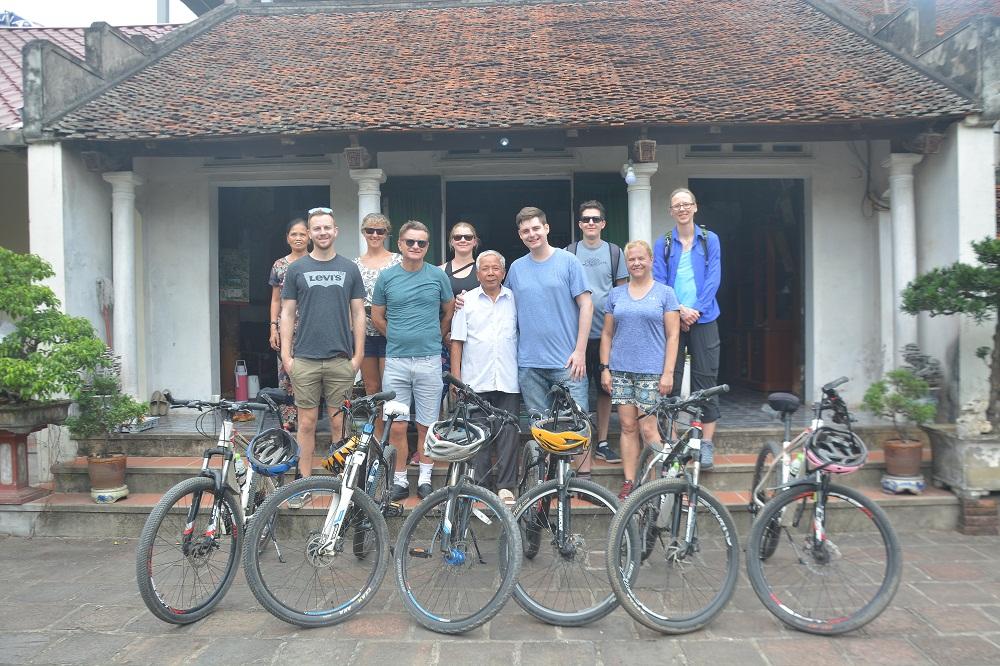
A countryside route can pass through rice paddies, gardens, small bridges and villages before reaching Thanh Toan Bridge.
You do not need to be a serious cyclist. A half-day route with a guide can be adjusted to your fitness level.
Avoid cycling during the hottest part of the afternoon, particularly in June and July.
Tu Hieu Pagoda
Tu Hieu Pagoda is another peaceful religious site outside the busiest tourist routes.
The pagoda is surrounded by trees and has a quieter atmosphere than the Imperial City.
It is associated with Zen Buddhism and is also connected with the early life of Vietnamese Zen master Thich Nhat Hanh.
It works particularly well as part of a slower cultural itinerary rather than a rushed sightseeing tour.
An Dinh Palace
An Dinh Palace provides a different architectural perspective on the Nguyen Dynasty.
The building reflects a period when European architectural influences became more visible in royal design.
Its interiors and decorative details make it an interesting complement to the more traditional architecture of the Imperial City.
The current Hue monument ticket system lists An Dinh Residence among the official monument sites.
Hue Museum of Royal Antiquities
The Hue Museum of Royal Antiquities is useful if you want to understand objects associated with the Nguyen court.
Artifacts and decorative objects help provide context for what you see inside the Imperial City.
If you are interested in imperial history, combine the museum with the Imperial City rather than visiting it as an isolated attraction.
Hue Weather
Hue’s weather is an important factor when planning a trip.
February–April: Generally one of the most comfortable periods for sightseeing, with pleasant temperatures and improving conditions.
May–July: Hot and humid, with strong sunshine during the middle of the day.
August–January: Rain becomes more frequent, with the wetter part of the year extending into winter.
Hue can experience flooding during periods of heavy rainfall, particularly later in the year. Vietnam Tourism identifies October through late in the year as a period when flooding can occur.
If your priority is visiting monuments and walking outdoors, February to April is one of the safest choices.
What to Wear in Hue
Hue involves considerable walking, especially inside the Imperial City and around the royal tombs.
Wear comfortable walking shoes, lightweight clothing and sun protection.
When visiting pagodas and religious buildings, dress respectfully with shoulders and knees covered.
A light rain jacket is useful during the wetter months.
Bring water because the Imperial City can become hot during midday.
How to Get to Hue
Hue has its own airport, Phu Bai International Airport, located roughly 30 minutes from central Hue by road under normal traffic conditions.
Domestic flights connect Hue with major Vietnamese cities.
Travelers can also reach Hue from Da Nang by private car, passing through the Hai Van Pass.
For a premium itinerary, the private-car route from Da Nang is particularly attractive because the journey becomes part of the sightseeing experience.
Da Nang to Hue
The journey from Da Nang to Hue is one of the most scenic transfers in Central Vietnam.
A private car can travel via:
Da Nang → Hai Van Pass → Lang Co → Hue
You can stop at the Hai Van Pass for photographs, continue down toward Lang Co Lagoon and then reach Hue.
This is much more interesting than treating the journey simply as transportation between two hotels.
Hue Airport Transfer
If arriving by air, a private airport transfer is the most comfortable option for travelers with luggage.
The journey from Phu Bai Airport to central Hue is relatively short.
For early morning or late-night arrivals, pre-arranging transportation avoids unnecessary waiting after a flight.
Getting Around Hue
The central area is manageable on foot, especially around the Perfume River and Imperial City.
For the royal tombs, however, you will need transportation because they are spread across the countryside.
Options include private car, taxi, motorbike, bicycle and organized tours.
For first-time visitors, a private car with a knowledgeable guide is the most practical option if you want to visit several tombs in one day.
Best Area to Stay in Hue
Riverside / Le Loi Area
Best for first-time visitors who want restaurants, cafés, river views and easy access to the city center.
Around the Imperial City
Best for travelers primarily interested in history and early morning sightseeing.
South of the Perfume River
Best for a larger selection of hotels, restaurants and evening activities.
Quiet Garden Areas
Best for travelers looking for a boutique or resort-style experience away from the busiest streets.
Hue for Couples
Hue is excellent for couples who prefer history, food and relaxed evenings rather than nightlife.
A good couple’s itinerary could include a private Imperial City tour in the morning, lunch featuring Hue specialties, an afternoon visit to Minh Mang and Khai Dinh tombs, followed by a sunset cruise on the Perfume River.
A garden-style hotel or boutique property can make the experience even more relaxing.
Hue for Families
Families can enjoy Hue, but avoid putting too many monuments into one day.
Children may become tired after several hours of walking around historical sites.
A better approach is to combine one major historical attraction with a boat ride, countryside cycling, food experience or relaxed afternoon.
The Imperial City and dragon boat ride work particularly well together.
Hue for Older Travelers
Hue can be adapted very well for older travelers.
Use private transportation between the monuments and avoid unnecessary walking between distant sites.
Choose two or three royal tombs rather than attempting all of them.
A private guide can also explain the historical background while reducing the need to spend hours reading signs.
Hue for History Lovers
History-focused travelers should spend at least three days in Hue.
Prioritize:
Imperial City → Museum of Royal Antiquities → Minh Mang Tomb → Tu Duc Tomb → Khai Dinh Tomb → Gia Long Tomb → Thien Mu Pagoda → An Dinh Palace
A knowledgeable guide is especially valuable because the significance of the monuments is much easier to understand when the architecture is connected to the political history of the Nguyen Dynasty.
Hue for Food Lovers
Food travelers should allow time for several small meals rather than one large dinner.
Try Bun Bo Hue in the morning, explore Dong Ba Market, sample banh beo and banh loc during the day, and finish with a dinner featuring banh khoai, nem lui and other regional dishes.
Hue’s cuisine is particularly suitable for food tours because many dishes are served in small portions.
How Long to Spend at the Royal Tombs?
For three major tombs, allow 4–5 hours including transportation.
A typical route can be:
Minh Mang → Tu Duc → Khai Dinh
This order works well because the three tombs have noticeably different architectural styles.
If you want to add Gia Long, allocate significantly more time.
Hue Monument Ticket Prices
Current official Hue information lists the following adult entrance prices from 2026:
Hue Imperial City: 200,000 VND
Minh Mang, Tu Duc or Khai Dinh Tomb: 150,000 VND each
Other monument sites have different prices, and combination tickets are available. The current four-site combination covering the Imperial City plus Minh Mang, Tu Duc and Khai Dinh is listed at 530,000 VND per adult.
Ticket prices can change, so check the current official information before visiting.
Three-Day Hue Itinerary
Day 1 – Hue Imperial City & Perfume River: Arrive in Hue and begin with the Imperial City, spending enough time to explore the major gates, courtyards, palace buildings and temples. After lunch, visit the Museum of Royal Antiquities or An Dinh Palace before taking a relaxed walk beside the Perfume River. Enjoy Bun Bo Hue or another traditional dinner in the evening. Meals: Breakfast, Lunch & Dinner.
Day 2 – Royal Tombs & Thien Mu Pagoda: Start with Minh Mang Tomb, continue to Tu Duc Tomb and then visit Khai Dinh Tomb. After lunch, visit Thien Mu Pagoda beside the Perfume River and return to the city for a relaxed evening. Meals: Breakfast, Lunch & Dinner.
Day 3 – Countryside & Hue Food: Cycle or travel by private car toward Thanh Toan Bridge, explore the surrounding countryside and visit Dong Ba Market. Return to central Hue for lunch, enjoy free time at a café or hotel, then have a final dinner featuring several traditional Hue dishes. Meals: Breakfast, Lunch & Dinner.
Four-Day Hue Itinerary
Day 1 – Arrival & Imperial City: Arrive in Hue, transfer privately to your hotel and explore the Imperial City in the afternoon. Enjoy a relaxed evening beside the Perfume River. Meals: Breakfast, Lunch & Dinner.
Day 2 – Royal Tombs: Visit Minh Mang, Tu Duc and Khai Dinh tombs with a private guide. Return to Hue in the late afternoon and enjoy a traditional dinner. Meals: Breakfast, Lunch & Dinner.
Day 3 – Pagodas & Countryside: Visit Thien Mu Pagoda, Tu Hieu Pagoda and Thanh Toan Bridge, followed by a countryside cycling or walking experience. Meals: Breakfast, Lunch & Dinner.
Day 4 – Hue Food & Departure: Visit Dong Ba Market, enjoy a carefully selected Hue food experience and transfer onward by private car or flight. Meals: Breakfast, Lunch & Dinner.
Hue and Da Nang
Hue and Da Nang are among the easiest destinations to combine in Central Vietnam.
A strong itinerary is:
Da Nang → Hai Van Pass → Lang Co → Hue
Spend three nights in Da Nang and two or three nights in Hue if you have enough time.
Da Nang provides beaches, modern restaurants and coastal scenery, while Hue provides history, architecture and cuisine.
The contrast between the two destinations makes the combination particularly rewarding.
Hue and Hoi An
Hue and Hoi An provide two very different historical experiences.
Hue focuses on imperial history and the Nguyen Dynasty, while Hoi An is centered around its historic trading-port architecture and traditional streets.
You can travel from Hue to Hoi An via Da Nang and the Hai Van Pass, turning the transfer into a full sightseeing day.
Hue and Phong Nha
For travelers interested in nature, Hue can also be combined with Phong Nha.
Hue provides imperial history, while Phong Nha offers caves, rivers and dramatic limestone landscapes.
A longer Central Vietnam itinerary can therefore combine:
Da Nang → Hue → Phong Nha
or begin in Hanoi and travel southward by flight before continuing overland.
Best Hue Experiences at a Glance
Best historical attraction: Hue Imperial City
Best royal tomb: Minh Mang Tomb
Best garden-style tomb: Tu Duc Tomb
Most distinctive architecture: Khai Dinh Tomb
Best pagoda: Thien Mu Pagoda
Best river experience: Perfume River
Best market: Dong Ba Market
Best countryside experience: Thanh Toan Bridge
Best food: Bun Bo Hue
Best cultural activity: Imperial City with private guide
Best duration: 2–3 nights
Best season: February–April
Best transport for tombs: Private car
Best combination: Da Nang + Hue + Hoi An
Is Hue Worth Visiting?
Hue is absolutely worth visiting if you are interested in Vietnamese history, imperial architecture, traditional food, Buddhism and slower cultural travel.
It is not a city where the main attraction is simply nightlife or shopping. Its appeal comes from understanding how Vietnam’s last imperial dynasty lived, governed and expressed itself through architecture and landscape.
The best way to experience Hue is to slow down. Spend several hours inside the Imperial City rather than rushing through it, choose two or three royal tombs instead of trying to see everything, eat several traditional dishes, walk beside the Perfume River and leave time for the countryside.
For a first visit, three days is an excellent amount of time to experience the major heritage sites without making the trip feel like a checklist.
Experience Hue with Vietnam Women Travel
Vietnam Women Travel creates premium private tours led by women, and Hue is particularly suitable for a private cultural journey because the city’s attractions are spread across the Imperial City, riverfront and surrounding countryside.
A private Hue experience can include the Imperial City, Minh Mang Tomb, Tu Duc Tomb, Khai Dinh Tomb, Thien Mu Pagoda, Dong Ba Market, Thanh Toan Bridge, countryside cycling, a private Perfume River experience and carefully selected Hue food experiences.
For travelers arriving from Da Nang, the itinerary can include a private journey over the Hai Van Pass and through Lang Co before reaching Hue. For a longer Central Vietnam journey, Hue can then connect naturally with Hoi An, My Son or Phong Nha.
Vietnam Women Travel – Premium Private Tours Led by Women.