
Phong Nha Guide: Caves, National Park, Adventure Activities, Best Time & Travel Tips
Phong Nha is one of the most spectacular nature destinations in Central Vietnam, famous for its enormous limestone mountains, underground rivers, dense forests and extraordinary cave systems. The area is best known for Phong Nha Cave, Paradise Cave, Dark Cave, Hang En and Son Doong, but there is much more to experience beyond the caves, including jungle trekking, kayaking, cycling, swimming, wildlife experiences and peaceful countryside roads.
Phong Nha is particularly suitable for travelers who enjoy nature, adventure and outdoor activities rather than city sightseeing. You can spend one day exploring caves by boat, another trekking through the national park, and another cycling through villages and rice fields.
The destination has also become internationally important for its geology and biodiversity. In 2025, UNESCO approved a major boundary modification that extended the World Heritage property to include Hin Nam No National Park in Laos, creating the transboundary World Heritage property now known as Phong Nha-Ke Bang National Park and Hin Nam No National Park. The combined property covers 217,447 hectares and protects one of the world’s exceptional limestone karst landscapes.
Why Visit Phong Nha?
The main attraction is the extraordinary underground landscape.
Millions of years of geological development have created a huge network of limestone caves, underground rivers, chambers, stalactites and stalagmites. UNESCO describes the wider karst system as one of the world’s outstanding examples of limestone landscapes, with more than 220 km of documented caves and underground waterways across the transboundary property.
But Phong Nha is not only about caves.
The surrounding countryside contains rivers, mountains, forests and small villages that are excellent for cycling and hiking. This makes it possible to combine adventurous activities with slower days spent enjoying the scenery.
How Many Days Do You Need in Phong Nha?
1 day is enough for travelers who only want to visit Phong Nha Cave and Paradise Cave.
2 days / 1 night gives you a much better introduction, with one day for the major caves and another half-day for cycling, countryside or an outdoor activity.
3 days / 2 nights is recommended for travelers who want to combine caves with trekking or kayaking without rushing.
4–5 days is appropriate for serious adventure travelers interested in multi-day cave expeditions such as Hang En, Tu Lan or other guided wilderness experiences.
For a normal Vietnam holiday, 2–3 nights is usually the best balance.
Phong Nha-Ke Bang National Park
The national park is the heart of the destination.
It protects a huge area of limestone mountains, tropical forest, caves, rivers and wildlife.
The Vietnamese section of the World Heritage property covers 123,326 hectares, while the 2025 UNESCO extension created a combined transboundary property with Hin Nam No in Laos.
The landscape is particularly impressive because the mountains are not simply isolated peaks. They form an extensive karst system containing underground rivers, sinkholes, cliffs and cave networks.
For travelers who enjoy geology and natural landscapes, Phong Nha is considerably more interesting than simply visiting one famous cave.
Phong Nha Town
Phong Nha town is the main gateway to the national park.
It is relatively small, with accommodation, restaurants, cafés, tour operators, bicycle rental services and transportation options concentrated around the Son River.
The town is convenient rather than luxurious.
The atmosphere is relaxed, and many travelers use it as a base for several days of outdoor activities.
Staying in town is practical if you plan to join different cave tours because transport arrangements are generally straightforward.
Phong Nha Cave
Phong Nha Cave is the cave that gave the surrounding region its international tourism identity.
Unlike many caves that require long jungle treks, the entrance is reached by boat along the Son River.
The boat journey is an important part of the experience because the entrance to the cave opens directly onto the river.
Inside, visitors can see enormous chambers, stalactites and stalagmites formed over extremely long geological periods.
The cave is suitable for families and travelers who do not want strenuous hiking. Vietnam Tourism also identifies Phong Nha Cave as one of the easiest major cave experiences in the area because access combines a river journey with relatively straightforward exploration inside the cave.
How Long Does Phong Nha Cave Take?
Allow approximately 2–3 hours for the full experience, including the boat journey and cave exploration.
The exact duration depends on river conditions, visitor numbers and the current operating arrangements.
It is best to visit earlier in the day if you want to combine Phong Nha Cave with another attraction.
Paradise Cave
Paradise Cave, or Thien Duong Cave, is one of the most impressive accessible caves in Phong Nha.
The cave is enormous and contains an extensive network of stalactites and stalagmites.
Unlike Phong Nha Cave, the experience does not begin with a long river journey. Visitors travel to the cave area and then walk into the mountain.
A long wooden walkway allows visitors to explore the main section without needing technical climbing equipment.
Paradise Cave is an excellent choice for travelers who want dramatic cave scenery but do not want a demanding adventure expedition.
Paradise Cave vs Phong Nha Cave
If you only have time for one cave, the choice depends on what you want.
Phong Nha Cave: Best for the river journey and traditional cave experience.
Paradise Cave: Best for enormous underground chambers and detailed formations.
If you have a full day, visit both.
They provide noticeably different experiences and complement each other well.
Dark Cave
Dark Cave, or Hang Toi, is designed for travelers who want something more active.
Activities can include kayaking, ziplining, swimming and entering the cave with headlamps.
The cave itself is deliberately kept dark, creating a much more adventurous atmosphere than the illuminated tourist caves.
Vietnam Tourism describes Dark Cave as an activity-based experience involving water, kayaking, ziplining and exploration inside the cave.
It is particularly suitable for young adults, active couples and travelers who want physical activity rather than simply walking through a cave.
Is Dark Cave Suitable for Families?
It depends on the age and confidence of the children.
The zipline, swimming and cave activities require participants to follow safety instructions and be comfortable in water and darkness.
Families with younger children may prefer Phong Nha Cave and Paradise Cave.
Families with older children and teenagers who enjoy adventure may find Dark Cave much more exciting.
Son Doong Cave
Son Doong Cave is the most famous cave in the region and is widely recognized as the world’s largest cave.
Its scale is difficult to understand from photographs. The cave contains enormous chambers, underground rivers, collapsed sections of the ceiling and its own unusual ecosystems.
Some chambers are so enormous that they can accommodate vegetation and create an environment that feels more like an underground landscape than a conventional cave.
Vietnam Tourism describes Son Doong as one of the world’s greatest natural wonders, with a main chamber on a truly colossal scale.
Can Everyone Visit Son Doong?
No.
Son Doong is not a standard sightseeing attraction that you can visit independently.
Access is controlled and requires a specialized expedition.
The experience involves several days of trekking, jungle travel, cave exploration and camping.
It is physically demanding and requires preparation.
Vietnam Tourism notes that Son Doong expeditions are challenging, expensive and commonly booked well in advance.
If you are interested in Son Doong, plan it as the central purpose of your Phong Nha trip rather than trying to add it casually to a standard itinerary.
Hang En Cave
Hang En is another spectacular cave experience and is a more realistic alternative for travelers who want a major adventure but cannot or do not want to undertake Son Doong.
The experience includes trekking through the jungle and camping near or inside the cave.
One of the most memorable features is the enormous cave chamber and underground pools.
The combination of jungle trekking, camping and cave exploration makes Hang En substantially more adventurous than Phong Nha or Paradise Cave.
Tu Lan Cave System
The Tu Lan cave system is located outside the main tourist area and offers some of the most adventurous cave experiences in the region.
Depending on the expedition, activities can include trekking, climbing, swimming through underground rivers, scrambling over rocks and camping in the jungle.
Vietnam Tourism describes Tu Lan as a network of caves connected by streams and underground waterways, with multi-day expeditions available for experienced adventure travelers.
This is a completely different experience from taking a boat into Phong Nha Cave.
Nuoc Nut Cave
Nuoc Nut Cave is associated with the more advanced cave-exploration experiences around Phong Nha.
It is generally accessed through organized expedition tours rather than independent sightseeing.
Travelers interested in Nuoc Nut should check current tour availability, physical requirements and seasonal conditions before planning their trip.
Hang Va
Hang Va is another adventure-focused cave system known for distinctive geological formations and underground water.
It is more suitable for experienced travelers who want a specialized expedition rather than a standard tourist attraction.
Cave tours in this category should always be booked through authorized operators and undertaken with professional guides and appropriate safety equipment.
Phong Nha Cave Tours for Beginners
You do not need to be adventurous to enjoy Phong Nha.
A beginner-friendly itinerary can simply include:
Phong Nha Cave → Paradise Cave → countryside cycling → riverside dinner
This provides a strong experience without requiring strenuous trekking or swimming.
For travelers who are not comfortable with darkness, heights or water, avoid adventure caves such as Dark Cave and choose the easier sightseeing caves instead.
Trekking in Phong Nha
Trekking is one of the best ways to see the national park beyond the famous caves.
Routes can pass through tropical forest, limestone mountains, streams and remote areas.
Some hikes are relatively easy, while others involve steep climbs, river crossings and difficult terrain.
Do not assume that every trail is suitable for independent hiking. Some routes require permits, guides or organized tours because of conservation and safety requirements.
Jungle Hiking
The forest around Phong Nha is remarkably dense.
Walking through the jungle provides a completely different perspective from visiting a cave.
Instead of focusing on stalactites and underground rivers, you can observe limestone cliffs, vegetation, insects, birds and changing forest conditions.
Wear proper hiking shoes and bring sufficient water.
During wet weather, trails can become muddy and slippery.
Kayaking in Phong Nha
Kayaking is a good way to experience the rivers and karst scenery at a slower pace.
You can combine kayaking with cave exploration or use it as an independent outdoor activity.
The water is generally calmer than what you would encounter in a sea-kayaking destination, but weather and river conditions still matter.
For travelers who do not want strenuous hiking, kayaking offers an active alternative.
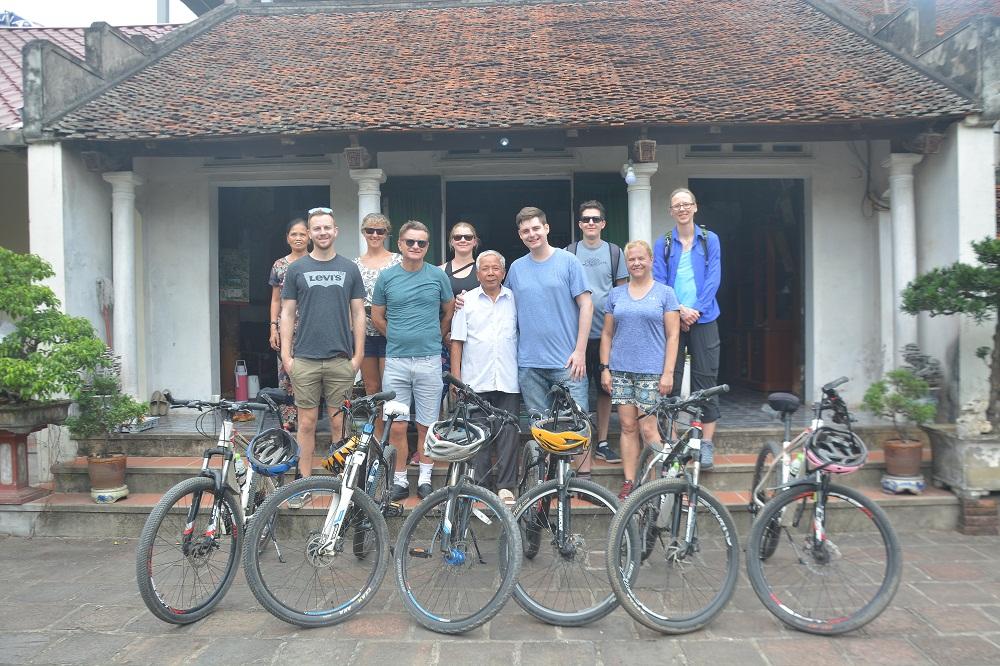
Cycling Around Phong Nha
Cycling through the countryside is one of the easiest ways to spend a half-day away from the caves.
Roads around the villages pass rice fields, rivers, limestone mountains and farms.
You can stop frequently for photographs and continue at your own pace.
Cycling is particularly enjoyable in the early morning or late afternoon when temperatures are lower.
Bong Lai Valley
Bong Lai Valley is an attractive countryside area near Phong Nha where travelers can combine cycling, food stops and rural scenery.
The roads pass through fields and small settlements rather than major tourist attractions.
It is ideal for travelers who want a slower day between physically demanding cave activities.
A bicycle or motorbike can be used depending on your experience and the current road conditions.
The Son River
The Son River is an important part of the Phong Nha landscape.
The river runs directly past the town and provides access to Phong Nha Cave.
The surrounding mountains are particularly attractive from the water.
In the late afternoon, the river becomes a peaceful place to watch the changing light on the limestone landscape.
Wildlife in Phong Nha
Phong Nha-Ke Bang is important not only for geology but also for biodiversity.
The wider protected area contains tropical forests and habitats for numerous species, including rare and endangered wildlife.
Vietnam Tourism notes that the national park supports significant biodiversity and wildlife alongside its cave systems.
Wildlife watching requires patience.
Do not expect guaranteed sightings, particularly during short visits.
If wildlife is an important priority, choose a specialist nature experience rather than simply hoping to see animals during a cave tour.
Phong Nha Weather
Weather is extremely important when planning a Phong Nha trip.
The area experiences a pronounced wet period, and heavy rainfall can affect cave access, trekking conditions and river levels.
Vietnam Tourism specifically notes that many caves can become inaccessible during the rainy period, particularly October to December.
For a general sightseeing trip, February to August is usually easier to plan.
The hottest months can be very warm, particularly during midday.
If your main purpose is cave trekking, always check current weather and tour operating conditions before traveling.
Best Time to Visit Phong Nha
February–April: Comfortable temperatures and generally good conditions for sightseeing and outdoor activities.
May–August: Hotter, but suitable for caves, cycling, kayaking and other activities if weather conditions cooperate.
September: Transitional conditions with increasing rainfall.
October–December: Wetter conditions can affect cave access and outdoor activities.
January: Can be cooler and cloudy, with variable conditions.
For a first trip focused on caves and outdoor activities, March–August is a strong overall period, while more specialized expeditions require checking the operating season of the specific cave tour.
What to Pack for Phong Nha
Bring:
- Comfortable walking shoes
- Hiking shoes if trekking
- Lightweight clothing
- Quick-drying clothes
- Swimwear
- Light rain jacket
- Sunscreen
- Insect repellent
- Hat
- Sunglasses
- Small backpack
- Reusable water bottle
- Power bank
- Waterproof phone protection
- Personal medication
For cave expeditions, tour operators normally provide specialized equipment where required.
Do not bring unnecessary valuables on adventure tours.
What Shoes Should You Wear?
For standard sightseeing caves, comfortable walking shoes are enough.
For trekking or adventure caves, use shoes with good grip and proper ankle support.
Do not wear smooth-soled sandals on muddy trails or wet rocks.
If you are joining a cave tour involving swimming, check the operator’s equipment requirements before departure.
Is Phong Nha Suitable for Children?
Yes, but choose activities carefully.
Good choices for families:
- Phong Nha Cave
- Paradise Cave
- Countryside cycling
- Easy river activities
- Short nature walks
Better for older children and teenagers:
- Dark Cave
- Kayaking
- Ziplining
- Longer trekking
Not suitable for casual family sightseeing:
- Son Doong expedition
- Difficult multi-day cave expeditions
- Technical trekking routes
The key is to choose activities according to the children’s age, swimming ability and physical condition.
Phong Nha for Couples
Phong Nha is an excellent destination for adventurous couples.
A three-day trip can combine a cave excursion, private countryside cycling, kayaking and a relaxed evening beside the Son River.
Couples who want a more luxurious experience can stay in a boutique property or private retreat outside the busiest part of town and use private transportation for sightseeing.
Phong Nha for Older Travelers
Older travelers can enjoy Phong Nha without doing strenuous adventure activities.
Phong Nha Cave and Paradise Cave are the easiest choices.
A private car can be used for transportation, while short countryside walks can replace demanding trekking.
If mobility is limited, confirm the number of stairs and walking distances before booking a specific cave.
Phong Nha for Adventure Travelers
Adventure travelers should stay for at least three nights.
Depending on physical ability and available tour dates, you can choose from:
Dark Cave → Jungle trekking → Hang En → Tu Lan → Hang Va → Son Doong
These experiences vary dramatically in difficulty, duration and cost.
Do not choose solely based on photographs. Read the physical requirements carefully before booking.
Where to Stay in Phong Nha
Phong Nha Town
Best for first-time visitors, convenience, restaurants and easy access to tour operators.
Riverside Accommodation
Best for travelers who want peaceful views and easy access to the Son River.
Countryside Retreats
Best for travelers looking for gardens, nature and a quieter atmosphere.
Higher-End Resorts
Best for couples and travelers who want more comfort after a day of trekking or cave exploration.
Because Phong Nha is an outdoor destination, location is often more important than having a huge range of hotel facilities.
How to Get to Phong Nha
Phong Nha is located in Central Vietnam and is commonly reached by road from Dong Hoi, the nearest major transport hub.
The road journey from Dong Hoi to Phong Nha is approximately one hour, depending on traffic and the exact accommodation.
Travelers can reach Dong Hoi by domestic flight or train, then continue by private car or other road transportation.
For premium travel, a private transfer is the most comfortable option.
Da Nang to Phong Nha
Da Nang and Phong Nha can be combined in a Central Vietnam itinerary.
The journey is considerably longer than traveling between Da Nang and Hue, so it is better to allocate enough time rather than treating Phong Nha as a quick day trip.
A practical route is:
Da Nang → Hue → Phong Nha
This creates a logical journey through Central Vietnam, combining beaches and mountains in Da Nang, imperial history in Hue and caves and nature in Phong Nha.
Hue to Phong Nha
Hue and Phong Nha are particularly easy to combine in a multi-day itinerary.
After visiting the Imperial City and royal tombs, travel north toward Phong Nha for two or three nights.
This creates an excellent contrast:
Hue: Imperial architecture, royal tombs, pagodas and cuisine.
Phong Nha: Limestone mountains, caves, jungle and outdoor activities.
Hanoi to Phong Nha
From Hanoi, the most practical premium option is usually to fly to Dong Hoi and then continue by private road transfer.
For travelers who prefer overland travel, private road transportation is possible but requires substantially more time.
If Phong Nha is part of a longer Vietnam itinerary, flying between major destinations helps preserve time for the actual experiences.
Phong Nha Food
Phong Nha’s food scene is smaller than Da Nang, Hue or Hanoi, but you can still find several regional specialties.
Try dishes such as:
- Vietnamese grilled chicken
- River fish
- Pork dishes
- Fresh vegetables
- Rice and sticky rice
- Vietnamese hotpot
- Fresh spring rolls
- Central Vietnamese noodle dishes
- Vietnamese coffee
After a day of trekking, a simple grilled dinner can be particularly satisfying.
Phong Nha at Night
Phong Nha is not a nightlife destination.
The evenings are generally quiet, with restaurants, cafés and accommodation providing the main activities.
This is actually part of its appeal.
After spending the day hiking through forests or exploring caves, you can have dinner beside the river and enjoy a much quieter evening than you would find in Da Nang or Hanoi.
Phong Nha for Photography
Phong Nha offers several excellent photography environments:
Best mountain scenery: Limestone karst viewpoints.
Best river photography: Son River.
Best cave photography: Paradise Cave and Phong Nha Cave.
Best countryside photography: Bong Lai Valley and surrounding villages.
Best adventure photography: Hang En and other expedition caves.
Bring a camera that can handle low-light conditions if cave photography is important.
Inside caves, lighting conditions are often extremely dark, so normal phone photography may not produce good results.
Phong Nha Travel Tips
Book major cave expeditions well in advance, particularly Son Doong and multi-day adventure tours.
Check the weather before departure because heavy rain can affect cave access.
Do not assume that all caves are open throughout the year.
Wear proper footwear for trekking.
Carry water on outdoor activities.
Do not enter caves independently when a guide or authorized tour is required.
Respect conservation rules and never remove rocks, formations or other natural materials.
Keep plastic and waste out of rivers and forests.
If you are visiting during a wetter period, maintain some flexibility in your itinerary.
One-Day Phong Nha Itinerary
Morning: Travel to Phong Nha Cave and take the boat along the Son River before exploring the cave.
Lunch: Have lunch in or around Phong Nha town.
Afternoon: Visit Paradise Cave or choose Dark Cave if you prefer adventure activities.
Evening: Return to town for dinner beside the river.
A one-day itinerary is possible, but staying overnight makes the journey considerably more enjoyable.
Two-Day Phong Nha Itinerary
Day 1 – Phong Nha Cave & Paradise Cave: Arrive in Phong Nha, explore Phong Nha Cave by boat, enjoy lunch and continue to Paradise Cave in the afternoon. Return to your accommodation for a relaxed evening. Meals: Breakfast, Lunch & Dinner.
Day 2 – Countryside & Nature: After breakfast, explore the countryside around Phong Nha by bicycle or private vehicle. Depending on your interests, add kayaking, a short nature walk or another outdoor experience before continuing to your next destination. Meals: Breakfast, Lunch & Dinner.
Three-Day Phong Nha Itinerary
Day 1 – Arrival & Phong Nha Cave: Arrive in Phong Nha, check into your accommodation and visit Phong Nha Cave by boat. Spend the evening beside the Son River. Meals: Breakfast, Lunch & Dinner.
Day 2 – Paradise Cave & Dark Cave: Visit Paradise Cave in the morning and spend the afternoon at Dark Cave with kayaking, ziplining and water activities if appropriate for your group. Meals: Breakfast, Lunch & Dinner.
Day 3 – Jungle or Countryside Experience: Choose a guided jungle trek, kayaking experience, wildlife activity or countryside cycling before continuing to Hue, Da Nang or your next destination. Meals: Breakfast, Lunch & Dinner.
Four-Day Phong Nha Adventure Itinerary
Day 1 – Arrival in Phong Nha: Travel from Hue or Dong Hoi to Phong Nha by private vehicle, check into your hotel and enjoy a relaxed afternoon beside the Son River. Meals: Breakfast, Lunch & Dinner.
Day 2 – Phong Nha & Paradise Caves: Explore Phong Nha Cave by boat and Paradise Cave, with time for a relaxed dinner afterward. Meals: Breakfast, Lunch & Dinner.
Day 3 – Adventure Experience: Join a guided trekking, kayaking or cave adventure according to your fitness level and tour availability. Meals: Breakfast, Lunch & Dinner.
Day 4 – Countryside & Departure: Enjoy a final countryside cycling or nature experience before traveling onward to Hue, Da Nang or Dong Hoi. Meals: Breakfast, Lunch & Dinner.
Phong Nha and Hue
This is one of the best combinations in Central Vietnam.
Spend 2–3 nights in Hue exploring the Imperial City and royal tombs, then continue to Phong Nha for 2–3 nights.
The two destinations are completely different, which prevents the itinerary from feeling repetitive.
You move from imperial history and cuisine into forests, limestone mountains and caves.
Phong Nha and Da Nang
Da Nang provides beaches, modern hotels and coastal scenery, while Phong Nha provides caves and wilderness.
A good itinerary can start in Da Nang, continue through Hue and finish in Phong Nha.
For travelers with limited time, this route is better than attempting to travel back and forth between destinations.
Phong Nha and Hoi An
Hoi An and Phong Nha can be combined, but allow enough time because the transfer is relatively long.
A practical Central Vietnam journey is:
Da Nang → Hoi An → Hue → Phong Nha
This provides beaches, heritage architecture, imperial history and natural landscapes in one itinerary.
Best Phong Nha Experiences at a Glance
Best accessible cave: Paradise Cave
Best river cave: Phong Nha Cave
Best adventure attraction: Dark Cave
Best major expedition: Son Doong
Best overnight cave adventure: Hang En
Best multi-day cave system: Tu Lan
Best countryside activity: Cycling
Best river activity: Kayaking
Best nature experience: Jungle trekking
Best duration: 2–3 nights
Best season: March–August
Best transportation: Private car
Best combination: Hue + Phong Nha + Da Nang
Is Phong Nha Worth Visiting?
Phong Nha is absolutely worth visiting if you want to see a side of Vietnam that is completely different from its major cities and beaches.
The destination combines some of the world’s most remarkable caves with ancient limestone mountains, tropical forest, rivers and countryside.
You do not have to be an extreme adventurer to enjoy it. Phong Nha Cave and Paradise Cave are accessible to ordinary travelers, while Dark Cave, Hang En, Tu Lan and Son Doong provide progressively more demanding experiences.
The key is choosing activities that match your available time and physical ability.
For most travelers, three days and two nights provides the ideal balance between major caves, outdoor activities and relaxation.
Experience Phong Nha with Vietnam Women Travel
Vietnam Women Travel creates premium private tours led by women, and Phong Nha can be incorporated into a carefully planned Central Vietnam journey beginning in Hanoi.
A private itinerary can combine Hanoi, Da Nang, Hoi An, Hue and Phong Nha, using flights between major destinations and private road transportation for sightseeing and regional transfers.
For a relaxed trip, the program can focus on Phong Nha Cave, Paradise Cave, countryside cycling and scenic river experiences. For active travelers, the itinerary can be expanded with trekking, kayaking or carefully selected multi-day cave adventures.
The advantage of a private itinerary is that the pace can be adjusted around your interests, fitness level and weather conditions rather than following a fixed group schedule.
Vietnam Women Travel – Premium Private Tours Led by Women.